Copper lugs are the vital link between cables and equipment, forming the backbone of a safe and reliable electrical connection. Yet, these critical components face a relentless enemy: corrosion. When copper lugs corrode, resistance increases, temperatures rise, and the risk of connection failure, arcing, or fire escalates. Protecting them isn’t just maintenance—it’s a fundamental requirement for system integrity. This guide explains the causes of corrosion and provides actionable, layered strategies to shield your copper lugs and ensure long-term performance.
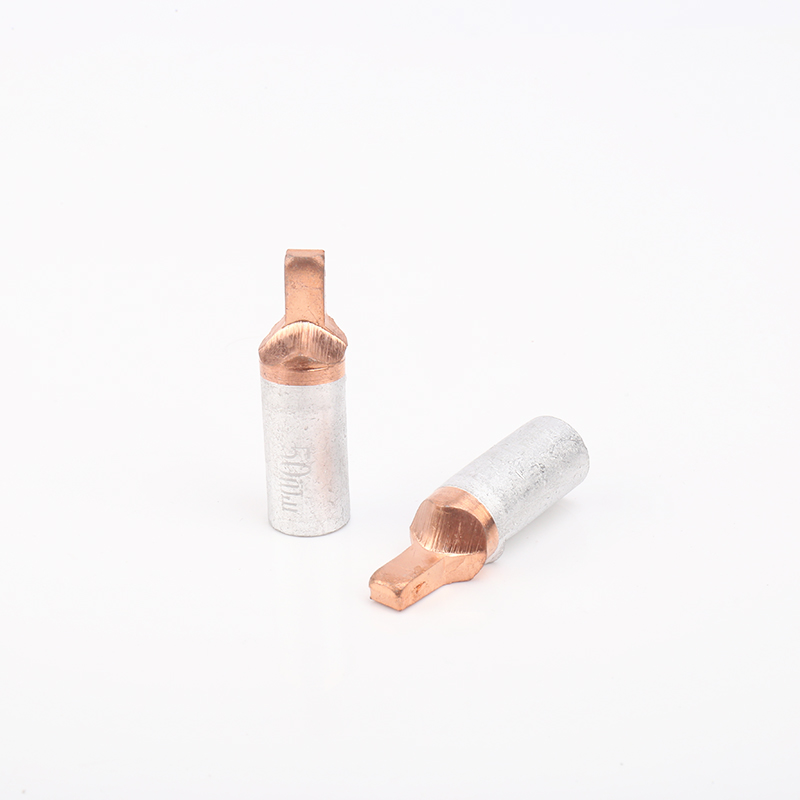
Corrosion on copper isn’t “rust” in the traditional sense (iron oxide), but it’s equally destructive. The primary threat is oxidation, where copper reacts with oxygen to form copper oxide—a non-conductive, resistive layer. Galvanic corrosion occurs when two dissimilar metals (like copper and aluminum) are in contact in the presence of an electrolyte (like moisture), causing one to degrade. Finally, environmental contaminants like road salt, industrial chemicals, or constant humidity dramatically accelerate these processes. The result is always the same: a poor electrical path that generates dangerous heat.
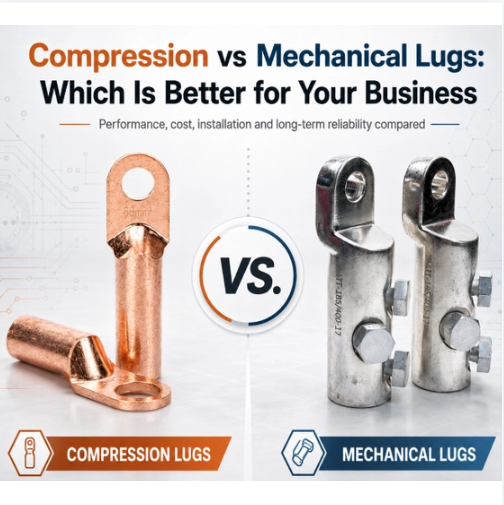
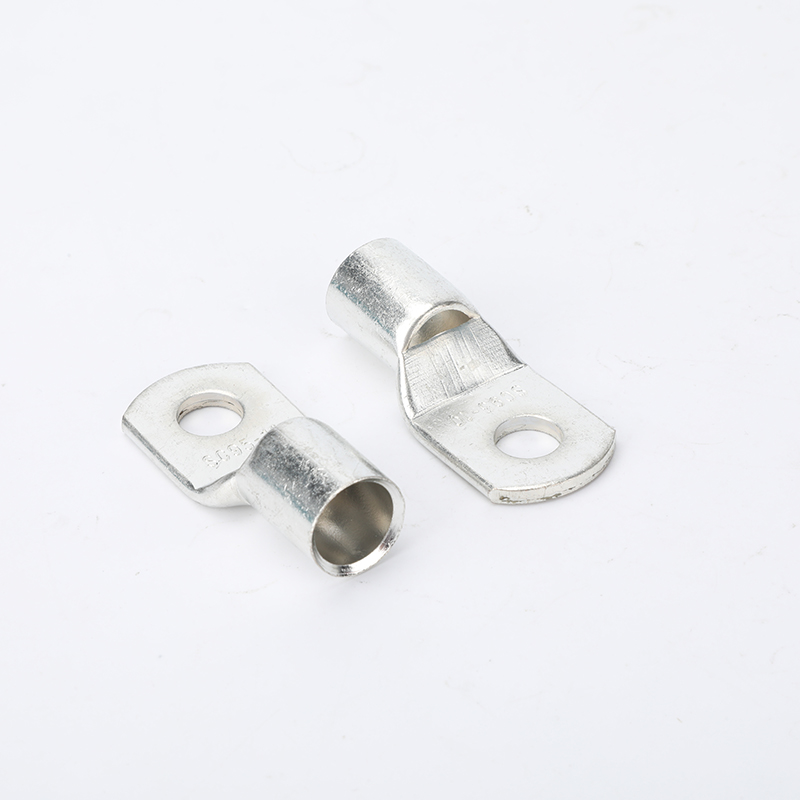
The most effective protection is engineered into the product itself. While bare copper lugs are common, they offer zero innate defense. For lasting reliability, specify lugs with a protective finish. Tin-plated copper lugs are the industry standard for general use, providing a sacrificial layer that resists oxidation and corrosion. For harsh, high-performance, or mission-critical environments (industrial, marine, coastal, data centers), silver-plated copper lugs offer superior conductivity and exceptional resistance to heat and corrosive elements. Starting with a plated lug is the simplest, most effective proactive step.
Not all protection strategies are equal. The best choice depends on your environment, budget, and performance requirements. The following table breaks down the primary options.
| Protection Method | How It Works | Best For / Environment | Key Consideration |
|---|---|---|---|
| Tin Plating (on Lug) | Electroplated tin layer acts as a stable, conductive barrier, preventing copper oxidation. | General indoor use, commercial panels, moderate humidity environments. The cost-effective standard. | Excellent all-rounder. May degrade in highly corrosive chemical atmospheres. |
| Silver Plating (on Lug) | Electroplated silver layer provides the highest conductivity and superior corrosion/heat resistance. | High-current connections, harsh environments (coastal, industrial), high temperatures, critical infrastructure. | Premium performance at a higher cost. The best technical choice for extreme conditions. |
| Anti-Oxidant Compound (Grease) | Petroleum-based gel seals out moisture and air, preventing oxidative and galvanic corrosion. | Essential for aluminum-to-copper connections. Highly recommended for all outdoor, damp, or corrosive environments. | A supplement, not a replacement. Must be used with a properly selected lug. Requires re-application over very long periods. |
| Environmental Sealing | Using heat-shrink tubing, enclosures, or protective boxes to create a physical barrier against elements. | Any exposed installation—outdoors, in wash-down areas, or in dusty/dirty locations. | Provides mechanical and environmental protection. Combined with a plated lug and grease, it is the “ultimate” shield. |
Product choice is half the battle; correct installation seals the deal. First, ensure connections are properly torqued to the manufacturer’s specification. An under-torqued connection is loose and accelerates oxidation; an over-torqued one can damage the lug. Second, apply a high-quality, zinc-rich anti-oxidant compound to the contact surfaces before assembly, especially for any outdoor or aluminum connections. This grease displaces air and moisture. Third, for exposed lugs, use adhesive-lined heat-shrink tubing or place them within a rated enclosure to create a sealed environment. Finally, establish a regular visual inspection schedule to check for signs of discoloration, green patina (verdigris), or heat marks, addressing issues before they cause failure.
At Envi Electric, we build corrosion resistance into our products from the start. Our range of tin-plated and silver-plated copper lugs are manufactured to exacting standards, ensuring a consistent, durable protective layer. By choosing a quality-assured component from a trusted supplier, you establish a robust foundation for your corrosion prevention strategy, minimizing long-term risk and maintenance costs.
Q1: Is anti-oxidant grease always necessary on plated lugs?
For indoor, controlled environments, a quality plated lug alone is often sufficient. However, for any outdoor, damp, or corrosive application, using grease with a plated lug is a highly recommended best practice for maximum protection.
Q2: Can I mix different plating types in one connection?
Yes, this is generally acceptable. Both tin and silver are compatible and corrosion-resistant. The key is to ensure both surfaces are clean and properly torqued. Using anti-oxidant grease is still advised.
Q3: What’s the best way to inspect for corrosion?
Conduct a visual inspection for discoloration, crusty green/blue deposits, or blackening. Follow this with a thermal scan using an infrared camera during load operation to identify “hot spots” caused by high-resistance corroded connections.
Q4: Can a corroded lug be cleaned and reused?
It is not recommended. While surface tarnish can sometimes be cleaned, corrosion often pits and degrades the metal beneath the surface. The safest and most reliable practice is to cut out the corroded lug and install a new, properly protected one.
Protecting copper lugs from corrosion is a non-negotiable aspect of electrical safety and reliability. A successful strategy involves two key pillars: selecting a lug with the appropriate intrinsic protection (plating) for your environment and following meticulous installation practices, including the use of anti-oxidant compounds and environmental seals. By taking these proactive steps, you can prevent the slow degradation that leads to system failures, ensuring safe, efficient, and dependable electrical connections for years to come.
Don’t wait for corrosion to cause a critical failure. Proactively specify the right protected components and techniques for your next project. Explore Envi Electric’s range of premium, corrosion-resistant tin-plated and silver-plated copper lugs and electrical connection solutions. Visit Our Web today to build more reliable and durable electrical systems.

With extensive experience, excellent craftsmanship, and superior customer service, we meet various technical requirements to satisfy our customers and have gained widespread