In the complex ecosystem of electrical wiring, the smallest components often carry the heaviest responsibility. Ring terminals are the unsung heroes of reliable circuitry, providing a permanent, bolted connection that ensures power flows consistently without the risk of slipping. However, not all terminals are built for the same task. Selecting the wrong connector can lead to increased resistance, overheating, and eventual system failure.
At Envi Electric (enviele.com), we specialize in providing high-performance electrical components that stand the test of time. Whether you are working on a heavy-duty industrial panel or a delicate marine electronics array, understanding the nuances of terminal selection is vital. In this guide, we break down the seven critical factors you must consider to ensure your electrical connections are safe, efficient, and professional.
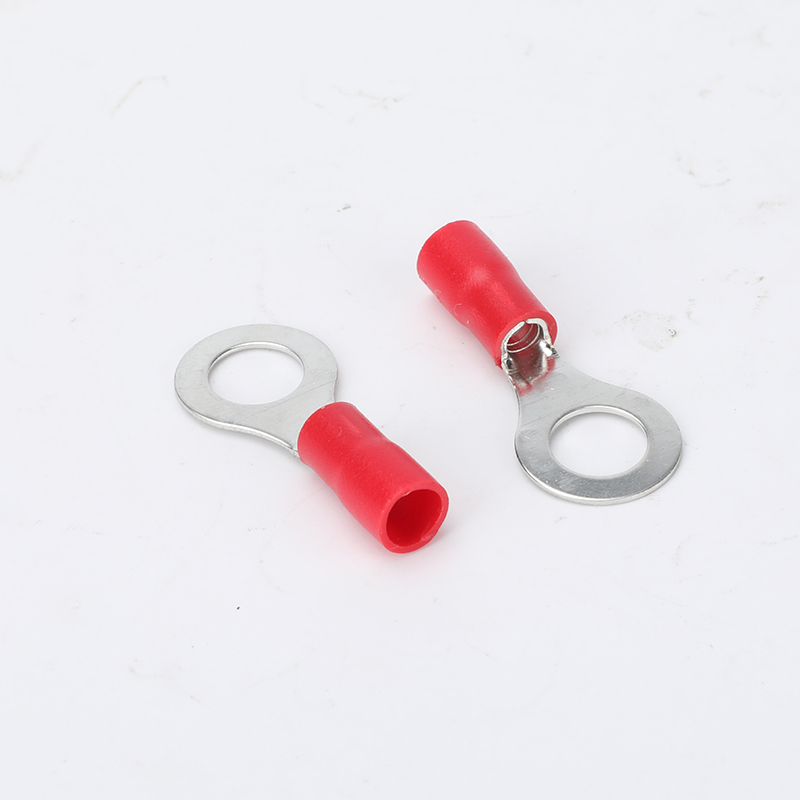
The most fundamental step in choosing a ring terminal is matching it to your wire’s American Wire Gauge (AWG). If the barrel—the part where the wire is inserted—is too large, the crimp will be loose and the wire may pull out. Conversely, if the barrel is too small, you may be tempted to cut off strands of copper to make it fit, which drastically reduces the wire’s current-carrying capacity and creates a fire hazard.
| Wire Range (AWG) | Industry Standard Color | Typical Current Limit (Amps) | Best Use Case |
| 22 – 16 AWG | Red | Up to 19A | Small electronics, signal wires |
| 16 – 14 AWG | Blue | Up to 27A | Automotive lighting, appliances |
| 12 – 10 AWG | Yellow | Up to 45A | HVAC, heavy machinery motors |
| 8 AWG & Larger | Uninsulated / Metallic | 60A – 300A+ | Battery cables, power inverters |
As illustrated in the table above, color-coding is a universal language in the electrical world. When you see a Blue terminal, you immediately know it is designed for 16-14 gauge wire. This standardization prevents errors during high-volume assembly. It is important to note that the current limit is not just determined by the terminal, but by the wire itself; the terminal must be able to handle at least as much current as the wire it is connected to. At Envi Electric, our terminals are manufactured with precision-fit barrels to ensure that once you crimp, the connection becomes a “cold weld” with zero movement.
Brass RV Cold Pressed Termina 3
Once you’ve matched the wire to the barrel, you must match the “ring” or hole size to the stud or bolt it will slide over. A common mistake is using a ring that is significantly larger than the stud. While it may fit, the reduced surface area contact between the terminal and the mounting surface creates a “bottleneck” for electricity, leading to localized heating.
| Stud Size (US) | Metric Equivalent (mm) | Hole Diameter (Decimal) | Common Application |
| #6 | M3.5 | 0.146″ | Terminal blocks |
| #10 | M5 | 0.197″ | Grounding screws |
| 1/4″ | M6 | 0.250″ | Alternators, starters |
| 3/8″ | M10 | 0.375″ | Battery terminals |
The table highlights why measurement is key. If you have a 5mm stud, you should reach for a #10 ring terminal. Using a 3/8″ terminal on a #10 stud would leave a massive gap, causing the nut to only grip a small portion of the terminal’s surface. This uneven pressure can cause the terminal to warp or vibrate loose over time. For professional results, always measure your stud diameter with a caliper before purchasing your supplies from enviele.com.
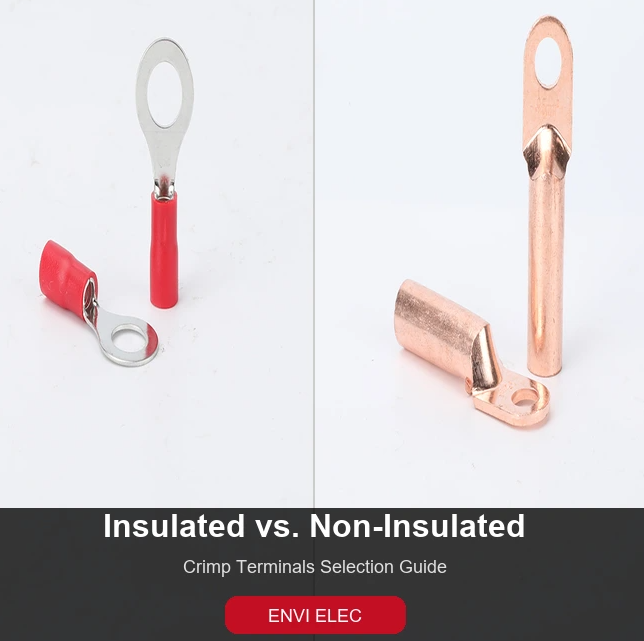
The environment in which your connection lives dictates what type of insulation you need. Standard vinyl is great for a dry cabinet, but it will fail miserably in the engine bay of a truck or the hull of a boat. Insulation serves two purposes: preventing accidental shorts and providing strain relief for the wire.
| Insulation Type | Material Property | Moisture Resistance | Environment |
| Vinyl (PVC) | Rigid, Economical | Low | Indoor / Dry |
| Nylon | Flexible, Crack-resistant | Moderate | Industrial / High-Vibration |
| Heat Shrink | Adhesive-lined, Sealant | Excellent | Marine / Outdoor / Automotive |
| High-Temp | Nickel-plated / Ceramic | N/A | Ovens / Industrial Furnaces |
Environmental factors like chemical exposure and temperature fluctuations are the silent killers of electrical systems. Nylon is often preferred by professionals because it doesn’t “shatter” like PVC when crimped. However, for any application exposed to the elements, Heat Shrink ring terminals are the gold standard. When heated, the internal adhesive melts and creates a waterproof seal around the wire’s jacket, preventing the “wicking” of moisture that leads to internal wire corrosion.
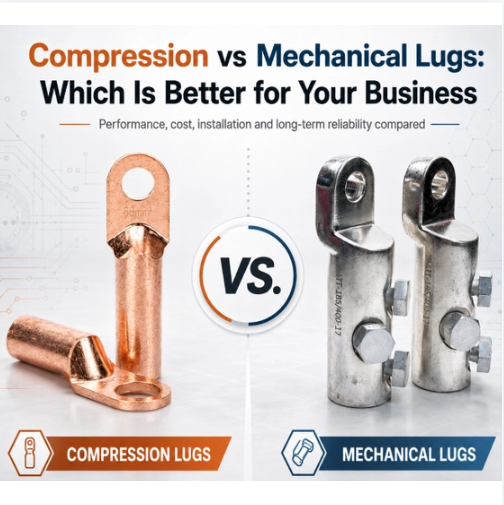
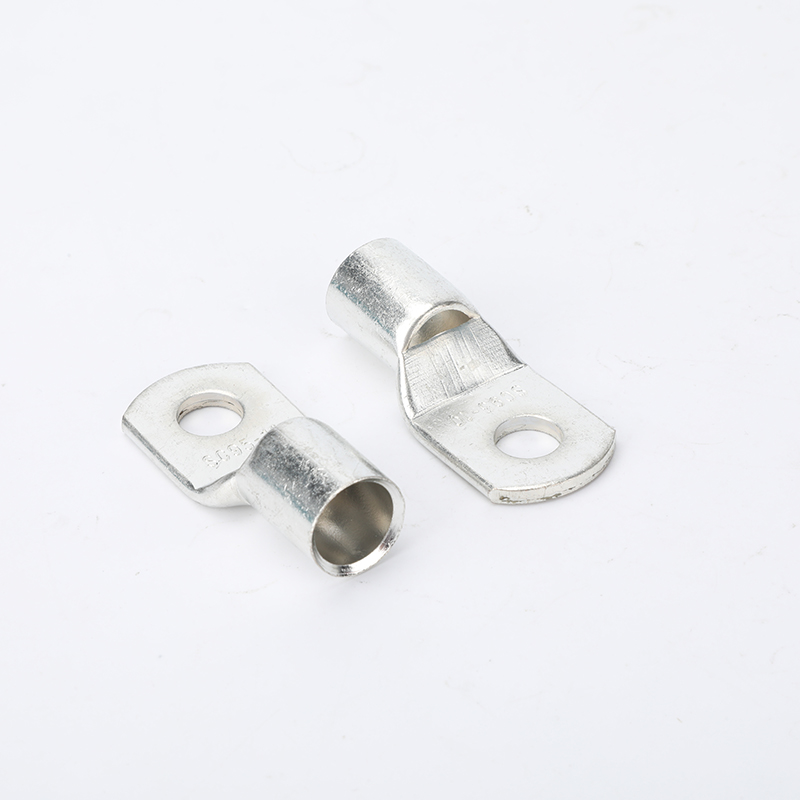
Not all ring terminal barrels are created equal. If you look closely at a standard terminal, you will see a seam where the metal was rolled into a tube. In a butted seam terminal, the edges simply touch. If you crimp on the seam, the barrel can pull apart. In contrast, a brazed seam terminal has the joint welded together with a silver alloy.
This structural difference is vital for reliability. A brazed seam allows you to crimp from any direction without fear of the barrel splitting. This is particularly important when using heavy-gauge wires or in applications where the wire might be pulled or stressed. At Envi Electric, we prioritize brazed seams for our heavy-duty lines to ensure our customers never deal with a split connector mid-installation.
Conductivity is the name of the game. Most high-quality ring terminals are made from 99.9% pure ETP (Electrolytic Tough Pitch) copper. However, raw copper oxidizes quickly when exposed to air. To combat this, terminals are usually tin-plated.
Tin-plating provides a barrier against corrosion and ensures that the contact surface remains highly conductive for years. If you are working in a marine environment, look specifically for “Electro-Tin Plated” copper. This ensures that even if salt spray hits the connection, the copper underneath remains protected. Avoid cheap, “mystery metal” terminals often found in discount bins; they are often made of brass or low-grade alloys that have significantly higher resistance than the pure copper options found at enviele.com.
Every terminal has a maximum capacity. While the wire size (AWG) usually dictates the current, the terminal’s thickness and material must be able to support that load without getting hot. Voltage drop is another concern; a poorly chosen terminal adds resistance, which causes a drop in voltage at the end of the line.
When designing your system, calculate your “continuous load.” If a circuit carries 40 amps constantly, you cannot afford any inefficiency at the connection point. Heavy-duty lugs—which are essentially giant ring terminals—feature thicker walls to handle the massive electron flow required for battery banks and solar inverters. Always over-spec your terminals if you are operating near the upper limit of a wire’s capacity.
Finally, never overlook safety certifications. In professional and industrial settings, using UL (Underwriters Laboratories) or CSA (Canadian Standards Association) certified terminals is often a legal or insurance requirement. These certifications mean the terminal has been tested for pull-out force, electrical resistance, and heat cycles.
Using certified components from a trusted brand like Envi Electric gives you peace of mind. It ensures that the product will perform exactly as advertised, protecting your equipment and, more importantly, the people using it. When you buy from us, you are investing in components that meet or exceed these rigorous industry standards.
1. Can I use a larger ring terminal if I don’t have the exact size for the wire?
It is not recommended. If the barrel is too large, the crimp will not be airtight, leading to a loose connection that can spark or corrode. Always use the terminal color-coded for your specific wire gauge.
2. What happens if I use a ring terminal with a hole that is too big for the bolt?
A hole that is too large reduces the surface area contact between the terminal and the flat surface of the connection point. This increases electrical resistance and can lead to the terminal overheating or vibrating loose.
3. Are nylon terminals better than vinyl?
Yes, in most cases. Nylon is more durable, handles higher temperatures, and is more resistant to chemicals. Unlike vinyl, nylon insulation does not typically crack or split during the crimping process.
4. Do I need a special tool to crimp heat shrink ring terminals?
To get the best results, use a ratcheting crimp tool designed for heat shrink terminals. These tools ensure the proper pressure is applied without piercing the outer heat-shrink sleeve, maintaining the waterproof integrity.
5. Why should I choose brazed seam terminals over butted seams?
Brazed seams are welded shut, making them much stronger. They prevent the barrel from opening up during crimping, which ensures a more secure and consistent hold on the wire regardless of the crimping angle.
Choosing the right ring terminal is a balance of physics, material science, and environmental awareness. By matching your wire gauge and stud size accurately, selecting the appropriate insulation for your environment, and insisting on high-quality brazed copper construction, you eliminate the weakest link in your electrical system.
To secure your electrical project, prioritize AWG compatibility, stud size precision, and environmental protection (like heat shrink for moisture). High-quality copper and brazed seams ensure long-term conductivity and mechanical strength.
Take Action Today! Don’t compromise on the safety of your wiring. Visit Envi Electric to explore our full range of professional-grade ring terminals, lugs, and connectors. Whether you’re a DIY enthusiast or a professional contractor, we have the high-quality hardware you need to get the job done right.

With extensive experience, excellent craftsmanship, and superior customer service, we meet various technical requirements to satisfy our customers and have gained widespread