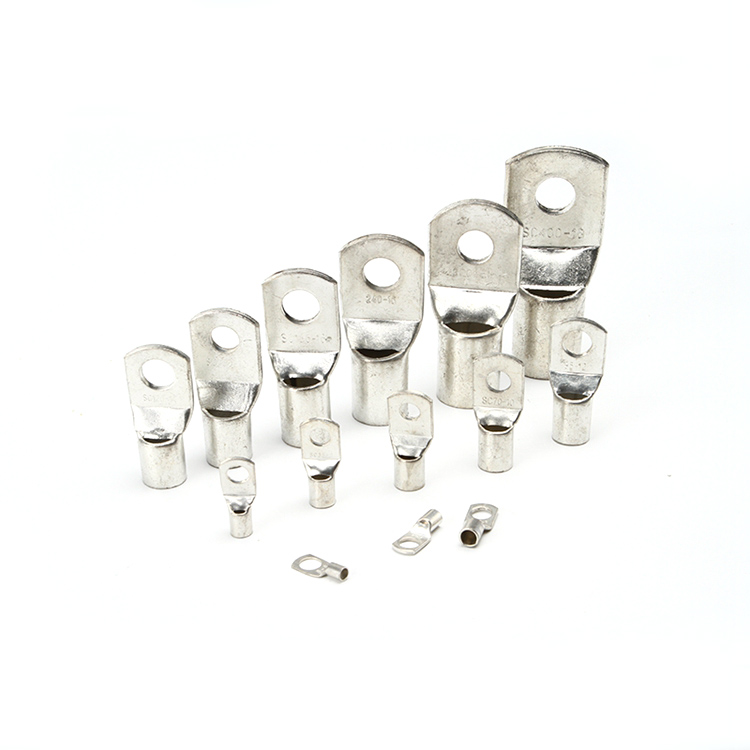
A solar power system is a significant investment, and its performance hinges on the efficiency of every component—including the often-overlooked ones. Copper lugs, the small connectors that join cables to inverters, combiners, and disconnects, are far from trivial. In the demanding environment of a solar array, a standard electrical lug can become the weak link that leads to energy loss, maintenance headaches, or even safety hazards. This guide cuts through the complexity to help you choose the best copper lugs for solar, ensuring your system operates at peak performance and reliability for decades.
Solar connections aren’t housed in a protected panel; they live outdoors 24/7. This exposes them to a brutal combination of factors: Ultraviolet (UV) radiation degrades insulation, extreme thermal cycling (from freezing nights to scorching days) causes metals to expand and contract, and moisture or salt spray can lead to rapid corrosion. Furthermore, solar systems run on high DC currents, where even a minor increase in connection resistance translates directly into lost power (P=I²R losses) and potentially dangerous heat buildup. The right lug is engineered to withstand these specific challenges.
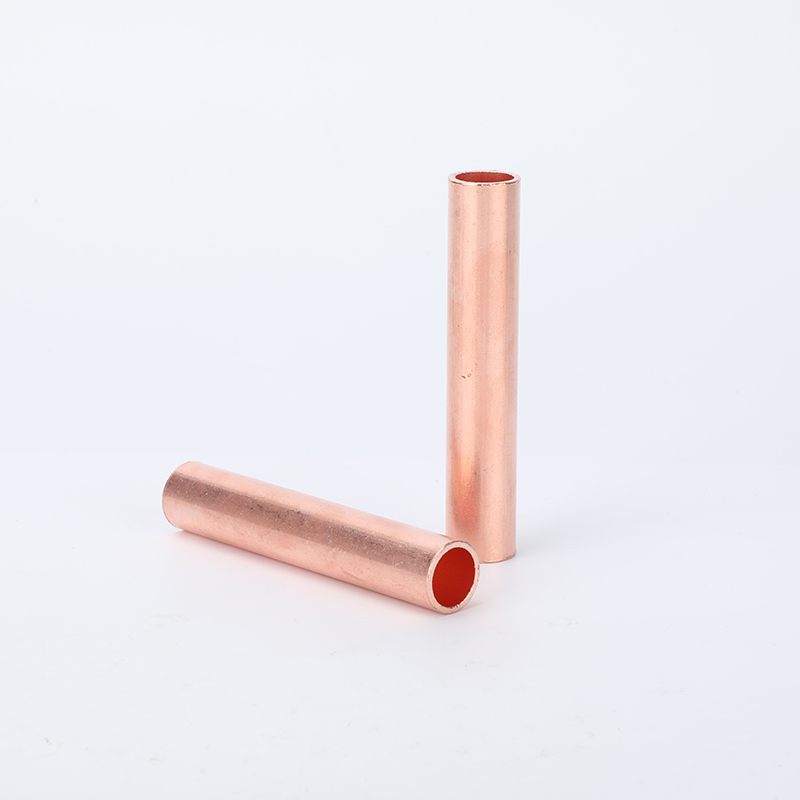
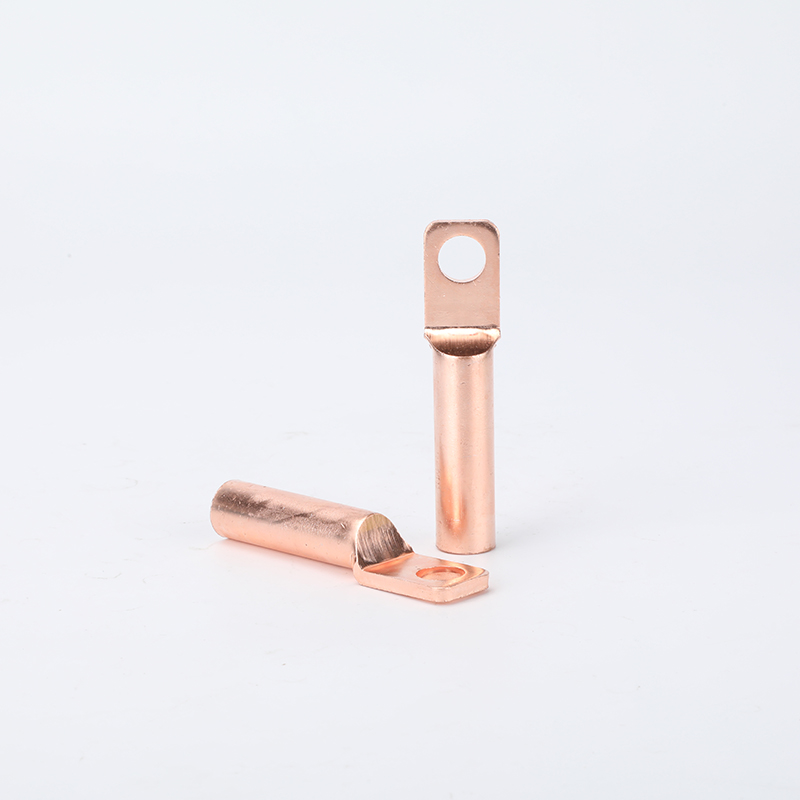
Not all copper lugs are created equal. A lug worthy of a solar installation must have several key features. First, it should be made from high-conductivity, pure electrolytic copper for minimal electrical resistance. Second, it requires a high-quality, corrosion-resistant plating. Tin plating is common, but silver plating offers superior long-term conductivity in harsh conditions. The design must provide a secure crimping zone and a properly sized tongue that matches the equipment’s terminal bolts. Finally, look for lugs that meet relevant international standards, which validate their performance claims.
Different points in a solar system have varying requirements. The table below helps you match the lug type to its specific application.
| Application Point | Key Requirements | Recommended Lug Type & Features | Why It Matters |
|---|---|---|---|
| PV Module String Connections | UV resistance, reliable for small gauge PV wire, often in junction boxes. | Standard Tin-Plated Copper Lug. Precision-sized for 10-12 AWG PV wire. May come with nylon insulation sleeve. | Ensures secure, low-resistance connections at the source. Insulation provides touch safety. |
| Combiner Box Inputs/Outputs | Handling multiple medium-sized cables, good current capacity. | Heavy-Duty Tin-Plated Lug. Often a ring tongue style. Suitable for 8-4 AWG cable. Robust construction. | Manages consolidated current from multiple strings reliably. Must handle higher amperage. |
| Inverter & Battery Terminals | Highest current loads, potential for heat, critical for efficiency. | Premium Silver-Plated Copper Lug. Highest conductivity. Often a heavy-wall, ring tongue design for large cables (e.g., 2/0 AWG). | Minimizes losses at the most critical conversion point. Silver plating maintains stable resistance under heat. |
| Grounding/Earthing Connections | Extreme corrosion resistance, long-term integrity for safety. | Hot-Dip Tinned or Heavily Tin-Plated Lug. Often a two-hole lug for secure grounding attachment. | Safety-critical connection must never fail. Extra plating protects against ground moisture and corrosion. |
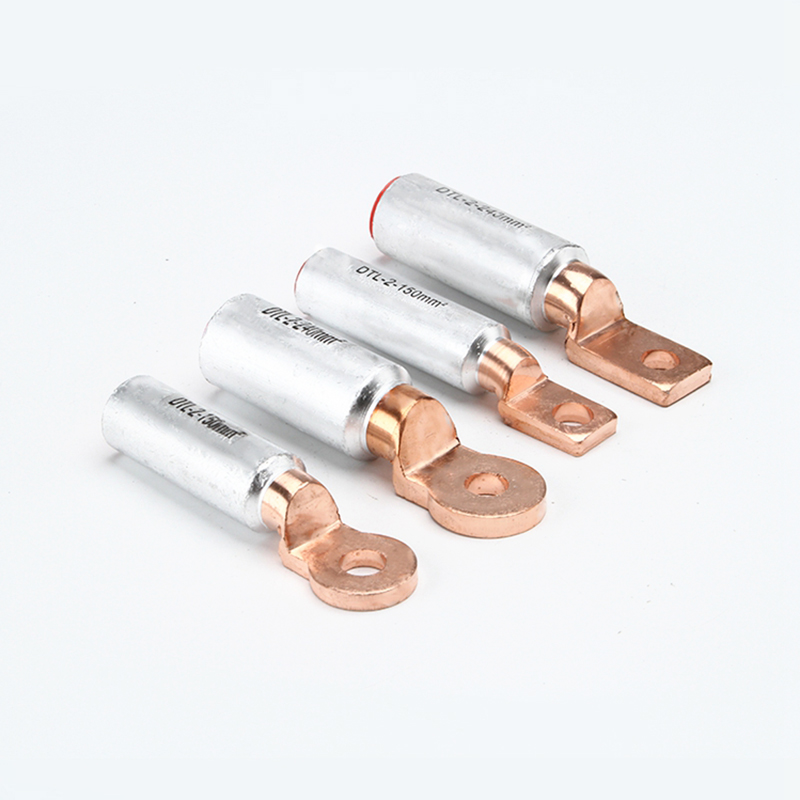
| Aluminum to Copper Transition | Preventing galvanic corrosion where AL PV wire meets copper equipment. | Bi-Metallic Lug (AL/CU). Specifically designed with one end for aluminum cable and the other for a copper terminal. | Essential. Using a standard copper lug on aluminum wire is a primary cause of catastrophic connection failure. |
Follow this simple process to specify the perfect lug every time:
Identify Cable Specifications: Note the conductor material (Copper or Aluminum) and the exact size in AWG or mm².
Measure the Terminal: Determine the bolt diameter (e.g., M8, 5/16″) and the required tongue style (ring, fork) of the equipment you’re connecting to.
Assess the Environment: Is it a fully exposed rooftop, a partially protected combiner box, or a coastal location? This dictates the needed plating level.
Match the Lug: Using the table above, select a lug that matches your cable size, bolt hole, and environmental class. When in doubt, choose the higher-grade option.
The finest lug is only as good as its installation. Always use a calibrated, ratcheting crimping tool with the correct die set for the lug size. A proper crimp creates a cold weld that is gas-tight and will not loosen. For aluminum cables or any outdoor connection, apply an anti-oxidant compound to the conductor before crimping to prevent oxidation. Finally, when bolting the lug to the terminal, torque it to the manufacturer’s specified value—overtightening can damage the lug, while under-tightening creates a hot spot.
At Envi Electric, we understand that solar connections cannot fail. Our range of copper lugs is curated and manufactured to meet the stringent demands of photovoltaic systems. From precisely sized, UV-stabilized insulated lugs for module wiring to high-current silver-plated lugs for inverter terminals, we provide the reliability that safeguards your system’s energy output and longevity. Choosing the right component from the start is the simplest way to protect your investment.
Q1: Can I use standard electrical lugs from the hardware store for my solar installation?
It is strongly discouraged. Standard lugs may not have the corrosion-resistant plating needed for decades of outdoor exposure, and their current ratings may be inadequate for continuous DC solar loads, leading to premature failure.
Q2: My PV wire is aluminum. What’s the right way to connect it to a copper inverter terminal?
You must use a bi-metallic aluminum-to-copper (AL/CU) lug. Crimp the aluminum end to your PV wire, apply anti-oxidant paste, and then bolt the copper end to the terminal. This is the only safe and code-compliant method.
Q3: How does a poor crimp affect my solar system’s performance?
A poor crimp increases electrical resistance at the connection. This causes power loss (reducing energy harvest) and generates excess heat, which accelerates corrosion and can become a fire hazard over time.
Q4: What tool do I need to install these lugs correctly?
You need a ratcheting crimping tool with interchangeable dies that are exactly matched to the lug size you are using. Using pliers or a hammer is ineffective and will create an unreliable connection.
Selecting the best copper lug for your solar project is a small decision with major implications for safety, efficiency, and return on investment. By choosing lugs designed for outdoor duty, with the correct plating and installed meticulously, you ensure that your solar array delivers every possible watt of clean energy for years to come.
Don’t let a tiny connector limit your system’s potential. Browse our solar-optimized selection of high-performance copper lugs, bi-metallic connectors, and professional installation tools at Envi Electric. Build your system on a foundation of reliability: Our Web

With extensive experience, excellent craftsmanship, and superior customer service, we meet various technical requirements to satisfy our customers and have gained widespread