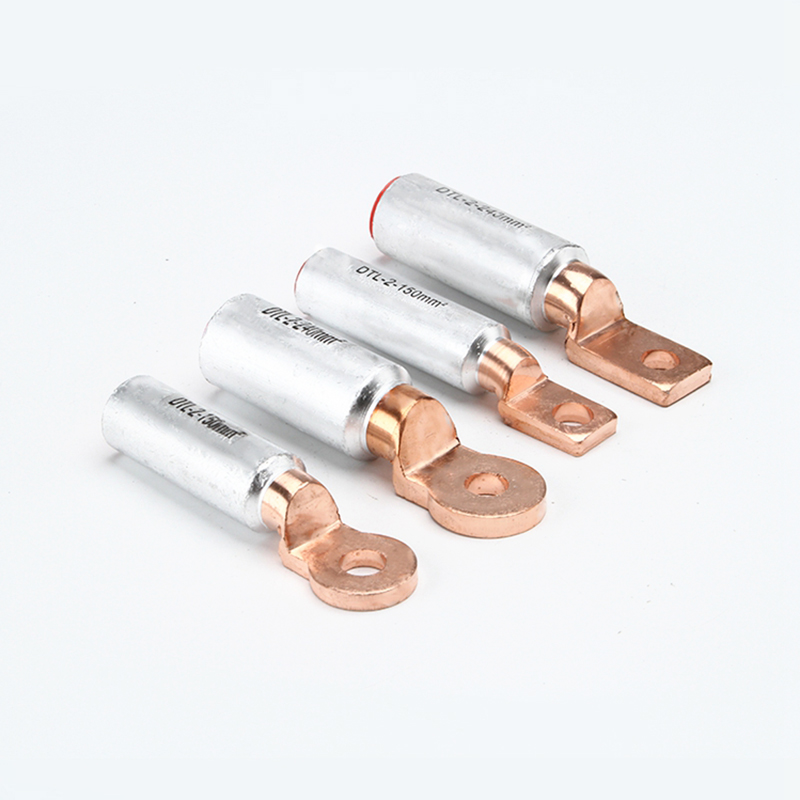
Bimetallic lugs are essential components for safely and reliably connecting cables of dissimilar metals, most commonly aluminum to copper. They prevent galvanic corrosion, which can occur when two different metals are in direct contact within an electrical connection. However, if not selected, installed, or maintained correctly, bimetallic lugs can become the weakest link in your system. This guide outlines the most common problems associated with bimetallic lugs and provides actionable solutions to ensure your connections remain safe, efficient, and durable over the long term.
Understanding potential failure points is the first step toward prevention. The table below summarizes key issues and their respective preventative measures.
| Common Problem | Root Cause | Potential Consequence | How to Avoid It |
|---|---|---|---|
| Galvanic Corrosion at the Interface | Moisture ingress and improper sealing between the two metal halves. | Increased resistance, overheating, and eventual connection failure. | Use high-quality lugs with a robust, sealed bi-metal joint. Apply antioxidant compound to the interface during installation. |
| Differential Thermal Expansion | The copper and aluminum sides expand and contract at different rates under load cycles. | Stress on the joint, leading to loosening, micro-fractures, and increased contact resistance. | Ensure proper torque during installation and use of spring washers. Re-torque after the first few thermal cycles as per manufacturer guidelines. |
| Improper Installation & Crimping | Using the wrong tool, incorrect die, or crimping only one side of the barrel. | A weak mechanical connection, poor electrical contact, and potential cable pull-out. | Always use a calibrated, hex-indent crimping tool with dies matched exactly to the lug and cable size. Crimp in the sequence specified by the lug manufacturer. |
| Inferior Material & Poor Joint Quality | Low-grade metals or a weak mechanical/explosive bond between the copper and aluminum. | Joint separation, high resistivity, and premature failure under stress. | Source lugs from reputable manufacturers (like Envi Electric) that adhere to strict standards (e.g., IS 1239, DIN). Inspect the joint for integrity before use. |
| Incorrect Lug Selection | Choosing a lug rated for the wrong cable size or current capacity. | Overheating under load or a physically incompatible connection that is impossible to crimp correctly. | Meticulously match the lug’s cable range and current rating to your specific application requirements. Never force an undersized or oversized cable. |
The primary purpose of a bimetallic lug is to prevent galvanic corrosion, but the joint where the two metals meet is itself vulnerable. If moisture penetrates this interface, it can create a miniature galvanic cell. To prevent this, select lugs where the bi-metal joint is factory-sealed (often via a friction-welded or extruded bond). During installation, applying a thin layer of high-quality, zinc-dust-based antioxidant compound on the cleaned aluminum side and the interface adds an extra protective barrier, displacing moisture and ensuring a stable connection.
Copper and aluminum have different coefficients of thermal expansion. When current flows and the connection heats up, the two sides expand at different rates, which can cause the joint to loosen over time. This is why proper initial torque with a calibrated wrench is critical. Furthermore, using Belleville (disc spring) washers helps maintain clamping pressure as the connection goes through thermal cycles. A crucial but often overlooked step is to perform a re-torque check after the first 24-48 hours of operation to compensate for initial settling and material creep.
A bimetallic lug’s performance is entirely dependent on a perfect crimp. Using a standard crimper not designed for the specific lug profile, or crimping only the aluminum side, will result in a subpar connection. Always use a professional-grade, calibrated hex-indent crimping tool. The hexagonal crimp pattern ensures uniform pressure around the entire circumference of the cable, creating a gas-tight, cold-weld connection on both the aluminum and copper sides. Follow the manufacturer’s recommended number and sequence of crimps precisely.
Not all bimetallic lugs are created equal. Cheap, off-brand lugs may use inferior aluminum alloys or have a poorly bonded bi-metal interface that can delaminate. Always insist on lugs from certified manufacturers that clearly state compliance with international standards. Visually and physically inspect the lug before use; the transition between metals should be smooth and solid, with no signs of cracks, gaps, or looseness. Investing in quality components from the start prevents catastrophic failures later.
A fundamental yet common error is selecting the wrong lug. An oversized lug for a small cable will not crimp properly, leaving empty space in the barrel that leads to high resistance and oxidation. An undersized lug for a large cable cannot be safely installed and will overheat. Always cross-reference the lug’s specified cable range (in mm² or AWG) and its current rating with your project’s actual cable size and maximum expected current load. When in doubt, consult the manufacturer’s datasheet or a qualified supplier.
Q: What is the main purpose of a bimetallic lug?
A: To safely and effectively connect an aluminum cable to a copper terminal or busbar, preventing galvanic corrosion that would occur from direct metal-to-metal contact.
Q: Should I use antioxidant grease with bimetallic lugs?
A: Yes. Applying a approved antioxidant compound to the aluminum cable end and the aluminum side of the lug is a critical best practice to prevent oxidation and improve contact.
Q: Can I crimp the copper and aluminum sides with the same tool?
A: Yes, a proper hex-crimping tool works on both sides. The crucial point is that the tool and die set must be precisely matched to the lug’s specified cable size range.
Q: How does Envi Electric ensure the quality of its bimetallic lugs?
A: Envi Electric’s bimetallic lugs are manufactured to international standards, featuring a solid, well-bonded bi-metal interface and high-purity materials for reliable performance. See our specifications at Our Web.
Q: Why is re-torquing connections important?
A: Due to the different thermal expansion of copper and aluminum, connections can loosen after initial heat cycles. Re-torquing compensates for this settling and restores optimal contact pressure.
Avoiding problems with bimetallic lugs hinges on three pillars: selecting high-quality, certified products; following meticulous installation procedures with the right tools; and performing initial and periodic maintenance checks. By understanding and addressing these common issues—corrosion, thermal stress, improper crimping, material flaws, and incorrect selection—you ensure safe, reliable, and long-lasting connections between dissimilar metals. For bimetallic lugs built to the highest standards of quality and reliability, explore the trusted range at Envi Electric. Visit Our Web to find the right solution for your application.

With extensive experience, excellent craftsmanship, and superior customer service, we meet various technical requirements to satisfy our customers and have gained widespread