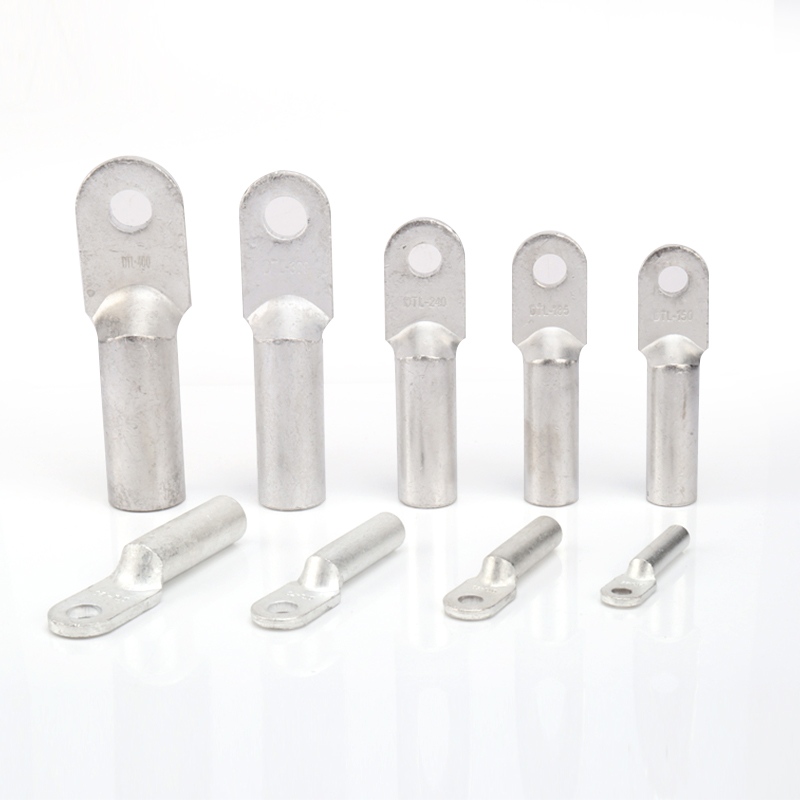
If you’ve noticed your copper cable lugs are warm or even hot to the touch, consider this a critical alarm. In electrical systems, heat is the direct and undeniable result of wasted energy, signaling a problem that will only worsen. Overheating connections are a leading cause of equipment failure, unplanned downtime, and electrical fires. Understanding why your lugs are overheating isn’t just technical—it’s a vital safety and operational skill. This guide will help you diagnose the root cause and provide clear steps to fix it permanently.
The science is straightforward, governed by Ohm’s Law. When current (I) flows through resistance (R), power is dissipated as heat (P = I²R). A perfect, low-resistance connection generates negligible heat. However, any flaw at the connection point—where the lug meets the cable or the terminal—creates a localized high-resistance spot. This spot acts like a tiny, inefficient heater. As current passes through, energy is converted to heat instead of useful work. The higher the current or the resistance, the more intense and dangerous the heating becomes.
Use the table below to identify the most likely cause of overheating based on what you observe. Always ensure the circuit is safely de-energized and locked out before any hands-on inspection.
| Primary Cause | Typical Symptoms & Signs | Immediate Risk |
|---|---|---|
| Loose Connection | Lug is loose on the terminal bolt; signs of arcing (pitting, discoloration) on the tongue; heat localized to the bolt point. | High. Arcing can cause immediate failure, melt components, and is a fire hazard. |
| Corrosion / Oxidation | Discoloration (green patina, blackening) on copper; crusty or powdery deposits; heat across the entire lug body. | Medium-High. Progressively increases resistance, leading to sustained overheating and eventual open circuit. |
| Undersized Lug | Lug or cable insulation shows sustained discoloration/burning over a length; lug feels too small for the cable. | High. The lug cannot safely carry the load current, causing systemic overheating. |
| Poor or Improper Crimp | Cable pulls out of the lug with moderate force; visible gaps in the crimp; “bell-mouthing” or deformation of the lug barrel. | High. The high-resistance point is hidden inside the crimp, leading to cable damage and failure. |
| Mixed Metals (Galvanic Corrosion) | Severe white/grey powdery corrosion, especially where aluminum cable meets a copper lug; often accompanied by cracking. | Extreme. Accelerates corrosion rapidly, leading to complete connection failure and potential fire. |
Once you’ve identified the probable cause, follow these corrective actions.
For a Loose Connection:
Safely de-energize and isolate the circuit.
Disassemble the connection. Inspect the lug tongue and terminal for pitting or melting. If damaged, replace all affected parts.
Clean the contact surfaces with a fine abrasive pad if mildly oxidized.
Reassemble and torque the fastener to the manufacturer’s specification using a calibrated torque wrench. This is the single most important step.
For Corrosion:
De-energize and disconnect.
Evaluate the extent. Light surface tarnish can be cleaned. Heavy, crusty corrosion means the metal is compromised—replace the lug.
For cleanable surfaces, use a dedicated electrical contact cleaner or fine sandpaper, then wipe clean.
Apply a thin layer of anti-oxidant compound (for copper) to the conductor strands before crimping a new, tin-plated or silver-plated lug to prevent recurrence.
For an Undersized Lug or Poor Crimp:
The only fix is replacement. Cut off the old lug.
Select a new lug that exactly matches the cable’s cross-sectional area (AWG/mm²) and the terminal’s bolt size.
Use a proper ratcheting crimping tool with the correct die set for the lug. A proper crimp is uniform, hexagonal, and forms a gas-tight connection.
For Mixed Metal Connections:
Never use a standard copper lug on aluminum cable.
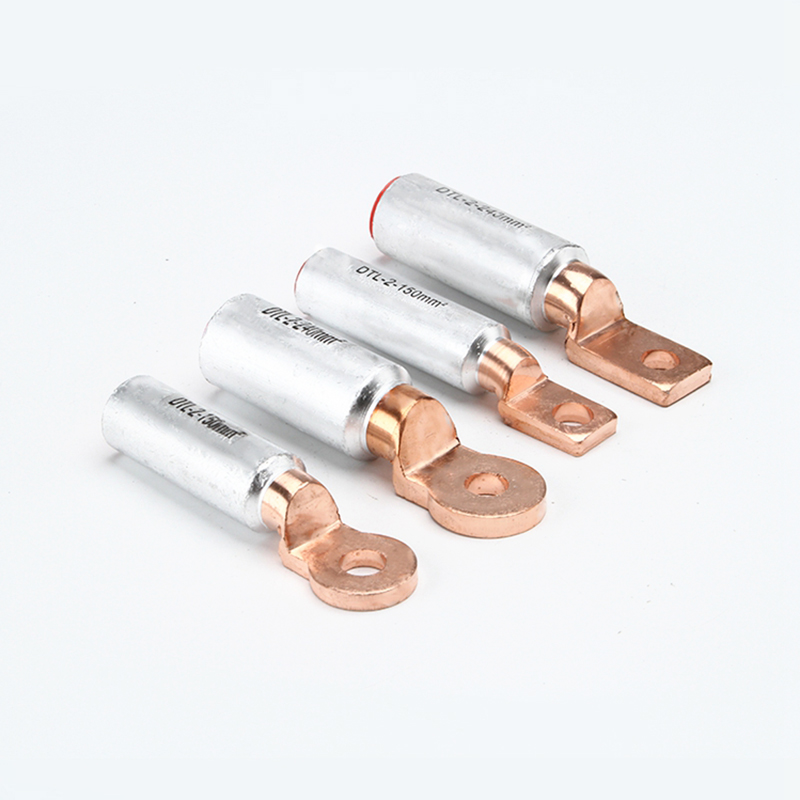
Replace the connection with a bimetallic (AL/CU) lug, which is specifically designed to join aluminum conductors to copper terminals.
Apply an anti-oxidant compound to the aluminum conductor before crimping the aluminum end of the bimetallic lug.
The best fix is to prevent overheating entirely. Adopt these best practices:
Use Quality, Plated Lugs: Always choose tin-plated or silver-plated lugs from reputable manufacturers to resist oxidation.
Torque to Specification: Never guess. Use a torque wrench for every critical connection.
Employ Anti-Oxidant: Use appropriate compounds for aluminum conductors or connections in humid environments.
Inspect Proactively: Schedule regular thermographic (infrared) inspections to identify hot spots before they become failures.
At Envi Electric, we engineer our copper cable lugs to combat the very causes of overheating. Our lugs are made from high-purity copper for optimal conductivity, feature consistent and durable plating for corrosion resistance, and are precision-sized for a perfect match to cable and terminal. By investing in components designed for reliability, you’re not just buying a lug—you’re investing in the long-term safety, efficiency, and peace of mind of your electrical system.
Q1: How hot is “too hot” for a cable lug?
A connection should never be more than slightly warm to the touch under full load. If it’s too hot to hold comfortably (typically >60°C/140°F), it is overheating and requires immediate attention.
Q2: Can I just tighten a lug that’s hot and loose while the power is on?
Absolutely not. Never work on a live, overheated connection. The risk of arc flash, severe burns, or electrocution is extremely high. Always de-energize, lock out, and verify the circuit is dead first.
Q3: Why does the lug get hot, but the cable itself feels cool?
The heat is generated specifically at the high-resistance point (e.g., the loose interface between the lug and the terminal). The conductor, having low resistance, does not generate significant heat along its length. This localized heating confirms the fault is at the termination.
Q4: Are all shiny, new-looking lugs good to use?
Not necessarily. The finish is just one aspect. A quality lug must also be the correct size for the cable and current, have the proper bolt hole size, and be made of high-conductivity material. A shiny but undersized lug will still overheat.
A hot cable lug is a problem screaming for attention. Whether caused by looseness, corrosion, or improper installation, the solution requires immediate diagnosis and correction. By understanding the causes, applying the correct fix, and insisting on high-quality components installed with care, you can eliminate this dangerous and wasteful issue for good.
Don’t ignore the warning signs. If you’re facing recurring connection issues, upgrade to lugs engineered for performance and safety. Explore the range of professional-grade, corrosion-resistant copper cable lugs and installation tools at Envi Electric today. Make your next connection a cool and reliable one: Our Web

With extensive experience, excellent craftsmanship, and superior customer service, we meet various technical requirements to satisfy our customers and have gained widespread