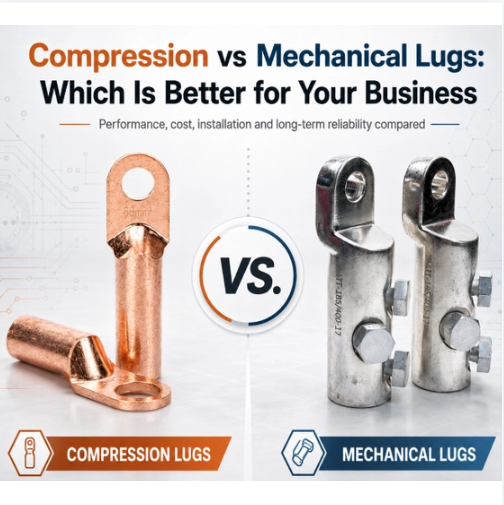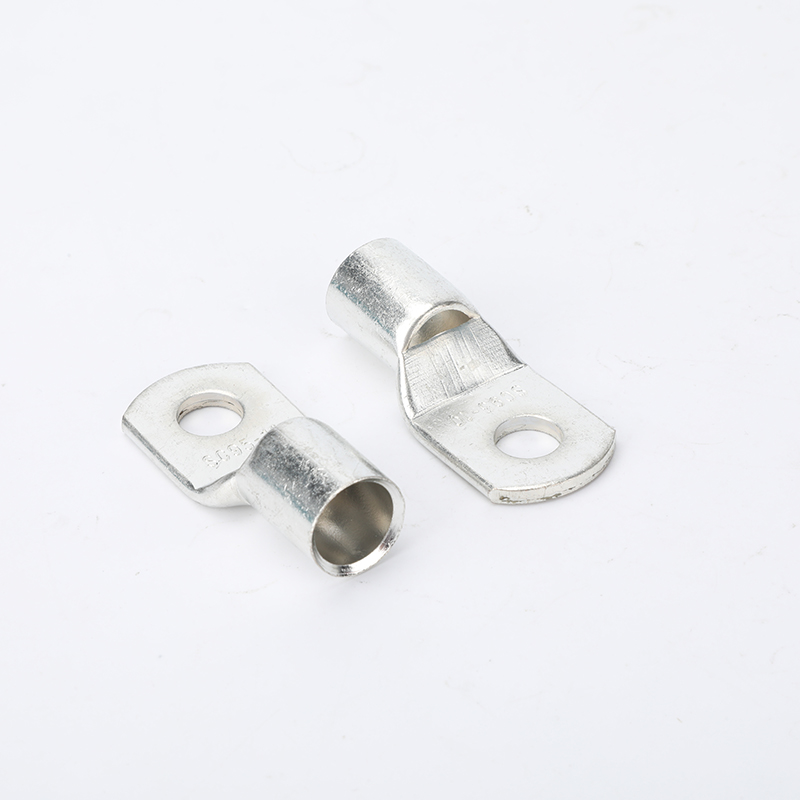
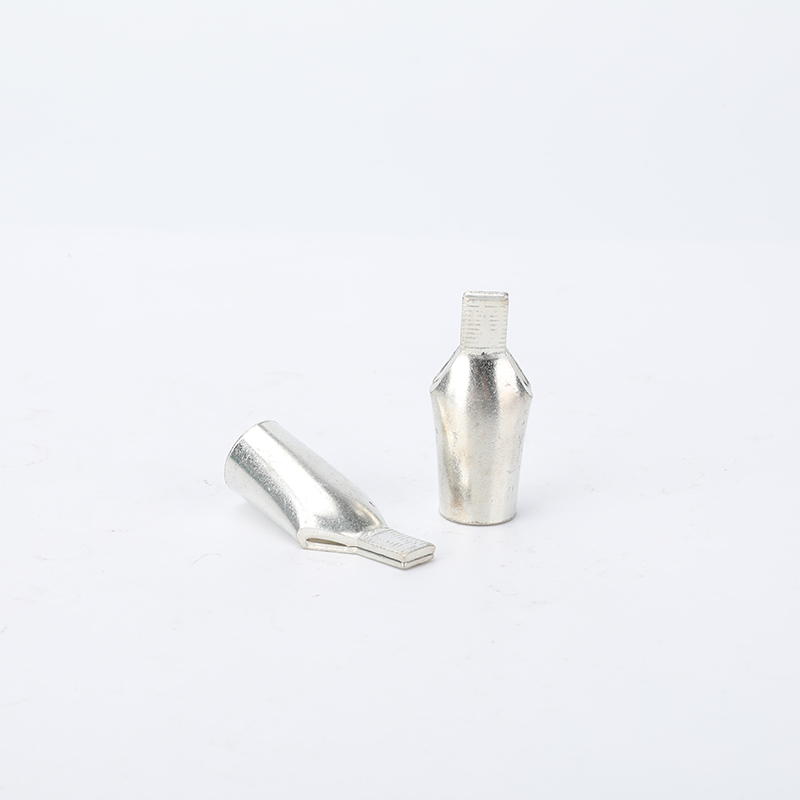
A secure electrical connection is the cornerstone of any reliable system. If you’ve worked with wiring, you may have noticed that many high-quality copper lugs and terminals aren’t the typical reddish-brown color of copper. Instead, they boast a shiny silver or dull gray finish. This isn’t merely for aesthetics. The silver color signifies a vital manufacturing process called electroplating, which is applied to enhance performance, prevent failure, and extend the lifespan of the connection. This guide explains the science behind plated electrical connectors and why choosing the right type is crucial for your project’s safety and efficiency.
Copper is the standard for electrical conductors due to its excellent conductivity. However, bare copper has a significant flaw: it oxidizes readily. When exposed to air and moisture, a non-conductive layer of copper oxide forms on its surface. This layer increases electrical resistance at the connection point. According to Ohm’s Law, increased resistance leads to increased heat generation under load, creating a dangerous cycle that can result in connection failure, arcing, and is a common cause of electrical fires. This problem accelerates in humid, salty, or chemically aggressive environments.
To combat this inherent weakness, manufacturers apply a thin, durable coating of another metal onto the copper lug through electroplating. This layer serves as a sacrificial barrier, shielding the underlying copper from direct exposure to air and moisture. The two most common and effective plating materials are tin (resulting in a matte gray finish) and silver (yielding a bright, shiny finish). This plating is the critical feature that differentiates a basic connector from a high-performance, long-life component.
Choosing between tin and silver plating depends on your specific application requirements and environment. The following table outlines the key differences to guide your decision.
| Feature / Characteristic | Tin-Plated Copper Lug | Silver-Plated Copper Lug |
|---|---|---|
| Primary Purpose | Corrosion Prevention. Provides a stable, protective layer against oxidation. | Performance Enhancement. Offers superior conductivity and high-end corrosion/heat resistance. |
| Electrical Conductivity | Good. Tin is less conductive than copper but maintains a stable, low-resistance surface over time. | Excellent. Silver is the most conductive metal. It can improve the overall conductivity of the connection interface. |
| Corrosion & Oxidation Resistance | Very Good. Resists oxidation and corrosion from moisture effectively. The oxide layer that forms on tin is still conductive. | Exceptional. Highly resistant to various forms of corrosion and oxidation. It performs reliably in harsh conditions. |
| Thermal Performance | Good for standard temperature ranges. May degrade under sustained very high heat. | Superior. Maintains integrity and conductivity at higher temperatures, reducing the risk of thermal runaway. |
| Cost | Moderate. The standard, cost-effective choice for most applications. | Higher. A premium material justified by its performance benefits in demanding scenarios. |
| Ideal Applications | General-purpose electrical panels, commercial installations, industrial controls, and residential applications. | High-current busbars, critical power systems (data centers, hospitals), renewable energy connections (solar/wind), harsh environments (marine, coastal, industrial), and high-vibration applications. |
While tin plating is a robust and economical solution for the majority of applications, silver plating is the undisputed choice for demanding, high-stakes environments. Its benefits are substantial. First, silver possesses higher electrical and thermal conductivity than copper itself, ensuring the absolute minimum resistance and coolest operating temperatures under heavy loads. Second, it exhibits excellent anti-seizing properties, meaning it is less likely to fuse or gall under the pressure and heat of a bolted connection, facilitating easier maintenance and future disassembly. For mission-critical infrastructure where reliability cannot be compromised, the investment in silver-plated lugs is a strategic decision for long-term safety and uptime.
Making the correct choice is straightforward when you match the connector’s properties to the application’s demands. For standard indoor electrical work, control panels, and most commercial installations, tin-plated copper lugs are the reliable and recommended standard. They provide excellent long-term protection at an optimal cost. Specify silver-plated lugs when dealing with extreme conditions: high ambient temperatures, corrosive atmospheres (chemical plants, coastal areas), connections subject to constant vibration, or for ultra-high current applications where efficiency and heat management are paramount. In these cases, the initial cost is offset by reduced maintenance and eliminated risk of thermal failure.
Q1: Is silver plating always better than tin plating?
Not always. Tin plating is perfectly suitable and cost-effective for the vast majority of applications. Silver plating is specifically “better” for high-performance, high-current, or harsh environments where its superior conductivity and durability are necessary.
Q2: Can I use a silver-plated copper lug with an aluminum cable?
No. For aluminum-to-copper connections, you must use a lug specifically designed and listed for the purpose, often marked as AL/CU. Using an incorrect lug can lead to galvanic corrosion and connection failure.
Q3: Does the plating wear off over time?
Quality electroplating creates a metallurgical bond and should not flake off with normal handling, crimping, or use. It is a permanent surface treatment designed to last the lifetime of the lug under specified conditions.
Q4: How does temperature affect the choice between tin and silver?
Silver maintains its properties better at sustained high temperatures. For applications involving significant heat (e.g., near transformers, high-current busbars), silver plating is the more reliable choice to prevent degradation of the contact surface.
The silver color on a copper lug is a hallmark of advanced engineering designed to overcome the natural limitations of bare metal. Plating with tin or silver is a proactive measure to prevent oxidation, ensure stable electrical performance, and safeguard against dangerous heat buildup. Selecting the appropriate plating type is a critical step in building a safe, efficient, and durable electrical system.
Don’t let a weak connection undermine your entire project’s integrity. For your next installation, specify high-quality, correctly plated connectors from a trusted source. Explore the full range of premium tin-plated and silver-plated electrical connectors and cable lugs designed for reliability at Envi Electric. Visit Our Web today to find the perfect solution that ensures safety, performance, and longevity.

With extensive experience, excellent craftsmanship, and superior customer service, we meet various technical requirements to satisfy our customers and have gained widespread