In the world of electrical engineering and DIY electronics, the integrity of a connection is the difference between a high-performing system and a potential fire hazard. Whether you are wiring a high-performance car audio system, setting up a solar power array, or maintaining industrial machinery, the components you choose matter. Among the most critical yet often overlooked components are ring terminals.
At Envi Electric, we understand that professional-grade projects require professional-grade hardware. Ring terminals—also known as ring connectors or ring tongue terminals—provide a level of security and electrical conductivity that push-on connectors simply cannot match. This guide will explore everything you need to know about these essential connectors, from their structural design to the best practices for securing them.
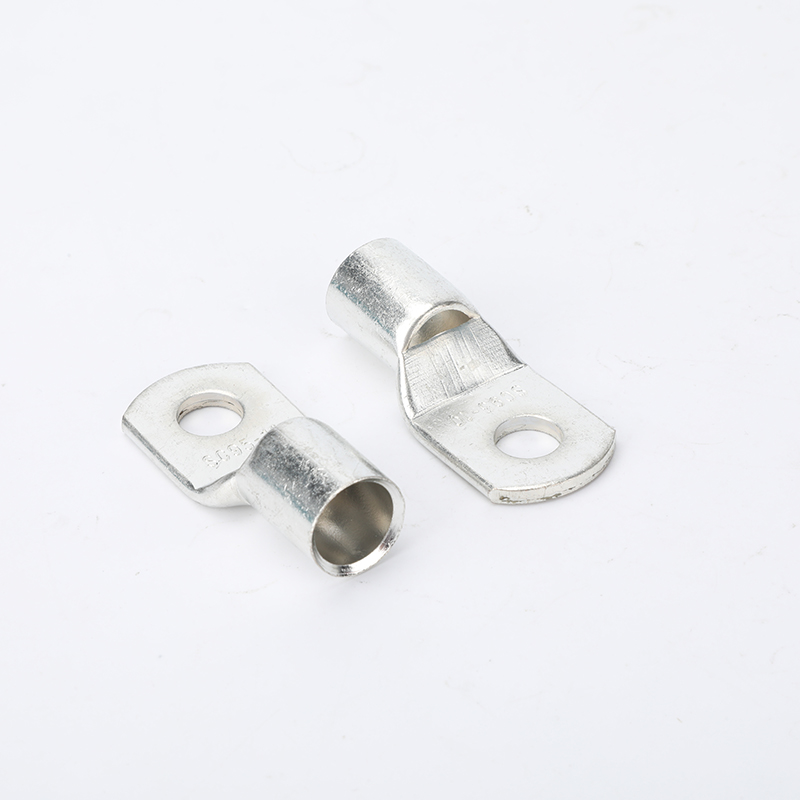
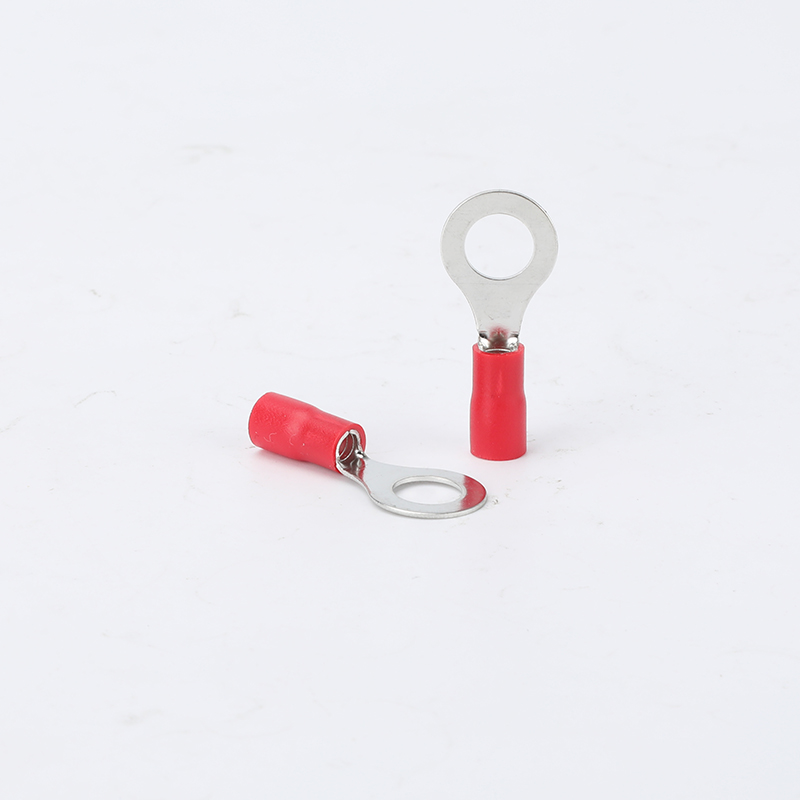
A ring terminal is a type of electrical crimp connector that features a round, “O-shaped” end (the tongue) and a cylindrical barrel where the wire is inserted. Unlike spade terminals, which can slip off a stud if a screw loosens, a ring terminal completely encircles the stud or bolt. This design ensures that as long as the nut or screw is in place, the connection remains physically intact.
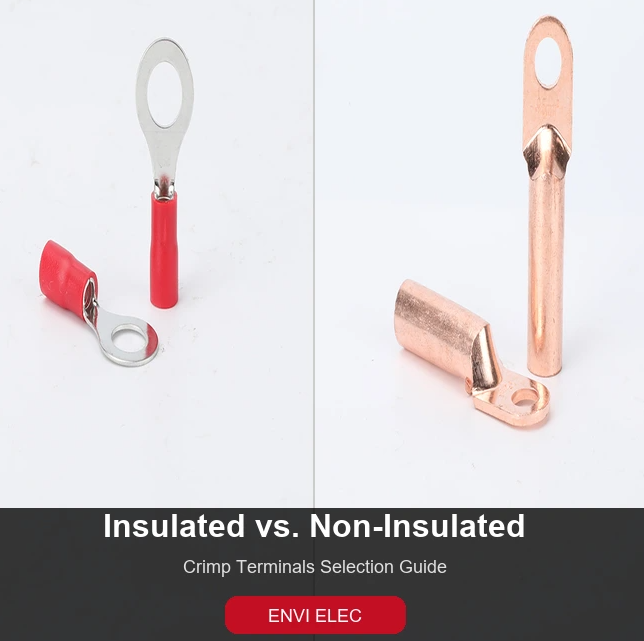
The barrel of the terminal is typically crimped onto a stranded copper wire. Depending on the environment, these barrels may be insulated with materials like vinyl, nylon, or heat-shrink tubing, or they may be non-insulated for high-temperature applications. By creating a 360-degree contact point, ring terminals offer the lowest electrical resistance and the highest mechanical strength among standard wire terminations.
The primary goal of any electrical connector is to maintain low resistance while resisting mechanical stress. Ring terminals achieve this through a combination of surface area and “clamping force.” When you slide the ring over a threaded stud and tighten a nut down, you are creating a high-pressure contact zone. This pressure flattens the terminal against the conductive surface, ensuring that electrons can flow freely without generating heat.
Furthermore, ring terminals are the gold standard for high-vibration environments. In automotive or marine settings, wires are constantly subjected to movement. Because the ring terminal is “locked” onto the stud, it cannot vibrate loose. This mechanical security prevents intermittent power loss, which is crucial for safety-critical systems like braking or navigation electronics.
Choosing the right ring terminal is not a “one-size-fits-all” process. You must match the terminal to both the wire gauge (AWG) and the size of the stud or bolt you are connecting to. Using a terminal that is too large for the wire leads to a weak crimp, while using a ring that is too small for the stud prevents a secure fit.
| Wire Gauge (AWG) | Common Color Code | Stud Size (Inches) | Metric Equivalent | Recommended Application |
| 22-16 AWG | Red | #4, #6, #8, #10 | M2.5, M3, M4, M5 | Small sensors, LED lighting |
| 16-14 AWG | Blue | #6, #8, #10, 1/4″ | M3, M4, M5, M6 | General automotive, appliances |
| 12-10 AWG | Yellow | #10, 1/4″, 5/16″, 3/8″ | M5, M6, M8, M10 | High-current motors, HVAC |
| 8 AWG – 4/0 AWG | Uninsulated/Clear | 1/4″, 5/16″, 3/8″, 1/2″ | M6, M8, M10, M12 | Battery cables, power inverters |
As shown in the table above, industry standards use color-coding to help technicians quickly identify the correct wire range for insulated terminals. Red, blue, and yellow are the most common colors you will encounter in everyday electrical work. For example, if you are working on a standard 12V automotive circuit using 14-gauge wire, you would look for a blue terminal. Matching the stud size is equally vital; a #10 stud is roughly 5mm, and using a 1/4″ (6.4mm) ring on a #10 stud reduces the contact surface area, which can lead to overheating under high loads. At Envi Electric, we provide precise sizing charts for all our connectors to ensure our customers get the perfect match every time.
Not all ring terminals are created equal. The metal used for the terminal and the material used for the insulation determine how long the connection will last, especially in harsh environments. Most high-quality terminals are made from 99.9% pure copper for maximum conductivity and are tin-plated to prevent corrosion and oxidation.
| Insulation Type | Temperature Range | Moisture Resistance | Best For |
| Vinyl (PVC) | -40°C to 105°C | Moderate | Indoor, dry environments |
| Nylon | -40°C to 105°C | High | Industrial machinery, vibration-prone areas |
| Heat Shrink | -55°C to 125°C | Excellent (Waterproof) | Marine, off-road, exterior wiring |
| Non-Insulated | Up to 150°C+ | Low (Needs protection) | High-heat areas, heavy-duty lugs |
Selecting the right insulation is a balance between cost and environmental protection. Vinyl is the most economical choice, perfect for interior home projects where moisture isn’t a concern. However, nylon is superior for professional applications because it is more resilient to chemical exposure and doesn’t crack under stress. If you are working on a boat or the underside of a vehicle, heat-shrink ring terminals are the only logical choice. These terminals feature an adhesive-lined sleeve that, when heated, melts around the wire insulation to create a hermetic seal. This prevents saltwater or road salt from wicking into the wire, which is the leading cause of “green wire” corrosion. Envi Electric stocks a wide variety of these materials to suit both hobbyists and industrial contractors.
A secure connection starts with a proper crimp. The barrel of the ring terminal is where the magic happens. There are generally two types of barrels: butted seam and brazed seam. A butted seam is simply a piece of metal rolled into a tube; if you crimp it incorrectly, the seam can pull apart. A brazed seam is welded shut, allowing you to crimp from any angle without the barrel splitting.
When you insert the stripped wire into the barrel, the copper strands should be visible at the end of the barrel but should not interfere with the ring (tongue). Using a dedicated crimping tool—not a pair of pliers—compresses the barrel and the wire together into a single solid mass. This “cold weld” eliminates air gaps, preventing oxidation from forming inside the connection. For heavy-duty applications, such as 4 AWG battery cables, we recommend using tinned copper lugs with a hydraulic crimper to ensure maximum pull-out strength.
Securing an electrical connection with a ring terminal is a straightforward process, but precision is required for long-term reliability.
Strip the Wire: Use a wire stripper to remove about 1/4 to 3/8 inch of insulation. Be careful not to nick the copper strands, as damaged strands reduce the wire’s current-carrying capacity.
Select the Terminal: Match the wire gauge to the terminal color (Red/Blue/Yellow) and ensure the ring fits snugly over your stud.
Insert and Crimp: Slide the wire into the barrel until the insulation touches the barrel’s edge. Place the barrel in the correct nest of your crimping tool and squeeze firmly.
The Tug Test: Always give the wire a firm tug. If it slides out or feels loose, the crimp is insufficient.
Seal (If using Heat Shrink): Use a heat gun to shrink the tubing until it is tight and the adhesive flows slightly from the ends.
Mounting: Place the ring terminal on the stud, followed by a washer (if applicable) and the nut. Tighten to the manufacturer’s torque specification.
Because of their reliability, ring terminals are found in almost every industry. In the automotive industry, they connect the battery to the alternator and starter motor. In renewable energy, they are used to link battery banks in solar power systems. In household appliances, you’ll find them securing ground wires to the metal chassis of washing machines and dryers to prevent electric shocks.
The versatility of these connectors makes them a staple in any electrical toolbox. For those working in the marine industry, using tinned copper ring terminals from Envi Electric is essential. The tin plating acts as a sacrificial layer, protecting the underlying copper from the corrosive effects of humid, salty air.
When you buy from enviele.com, you aren’t just getting a piece of metal; you are getting a component engineered for safety. Our ring terminals are manufactured to meet rigorous UL standards, ensuring that they can handle their rated current without failing. We prioritize high-grade copper and durable insulation because we know that our customers rely on these connections for their most important projects. Whether you need a small pack for a weekend DIY project or bulk supplies for industrial manufacturing, Envi Electric provides the quality and expertise you deserve.
1. Can I use a ring terminal on solid core wire?
While possible, ring terminals are primarily designed for stranded wire. The crimping process deforms the barrel around the multiple strands for a “cold weld” effect. Solid wire does not compress the same way, which may lead to a less secure connection that could loosen over time under vibration.
2. What is the difference between a ring terminal and a lug?
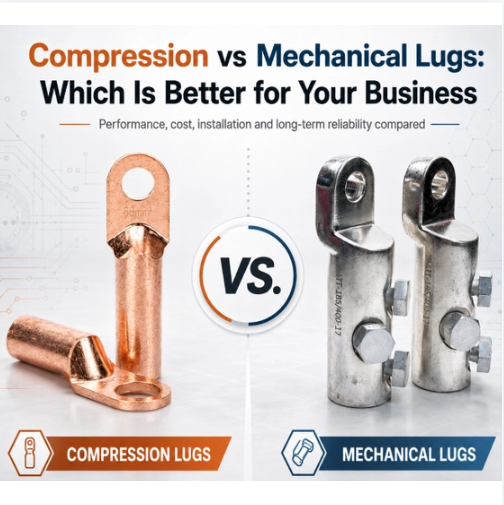
The difference is mainly scale and construction. “Ring terminals” usually refer to smaller connectors for 22 AWG to 10 AWG wire, often with thin stamped metal. “Lugs” are heavy-duty versions made from thick, seamless copper tubing designed for large battery cables (8 AWG and larger).
3. Why are some ring terminals tin-plated?
Tin-plating is used to prevent the copper from oxidizing. When copper oxidizes, it turns green and becomes resistive, which can cause the connection to heat up or fail. Tin-plated terminals stay conductive longer, especially in humid or marine environments.
4. Is it better to solder or crimp a ring terminal?
A high-quality crimp is generally preferred over soldering in automotive and industrial settings. Solder can make the wire brittle at the joint, leading to breakage under vibration. A proper mechanical crimp provides both excellent conductivity and the flexibility needed for durability.
5. How do I know what stud size I have?
You can measure the diameter of the bolt or stud with a caliper. Common sizes include #10 (approx. 5mm), 1/4″ (6.4mm), 5/16″ (8mm), and 3/8″ (9.5mm). Always select a ring terminal with a hole diameter that closely matches the stud for maximum surface contact.
Ring terminals are the backbone of secure, long-lasting electrical systems. By encircling the mounting stud, they provide a level of mechanical permanence and electrical efficiency that other connectors simply cannot match. From selecting the right AWG size and stud diameter to choosing between vinyl and heat-shrink insulation, understanding these nuances ensures your wiring projects remain safe and functional for years to come.
Ring terminals offer superior security and conductivity for electrical connections by completely encircling a stud. Choosing the right size and material—such as those found at Envi Electric—is vital for preventing corrosion and failure in high-vibration or high-moisture environments.
Ready to upgrade your electrical project?
Visit Envi Electric today to browse our premium selection of ring terminals, crimp tools, and wiring accessories. Ensure your connections are built to last with the best hardware in the industry!

With extensive experience, excellent craftsmanship, and superior customer service, we meet various technical requirements to satisfy our customers and have gained widespread