
Creating safe, permanent, and low-resistance electrical connections is a non-negotiable requirement for any business, from manufacturing plants to commercial facilities. Two of the most critical components in achieving this are copper terminal lugs and ferrules. While they might seem similar to the untrained eye—both are copper sleeves used on wire ends—they serve fundamentally different purposes. Choosing incorrectly can lead to connection failures, safety hazards, and downtime. This guide will clarify the differences and help you select the right component for every job in your electrical installations.
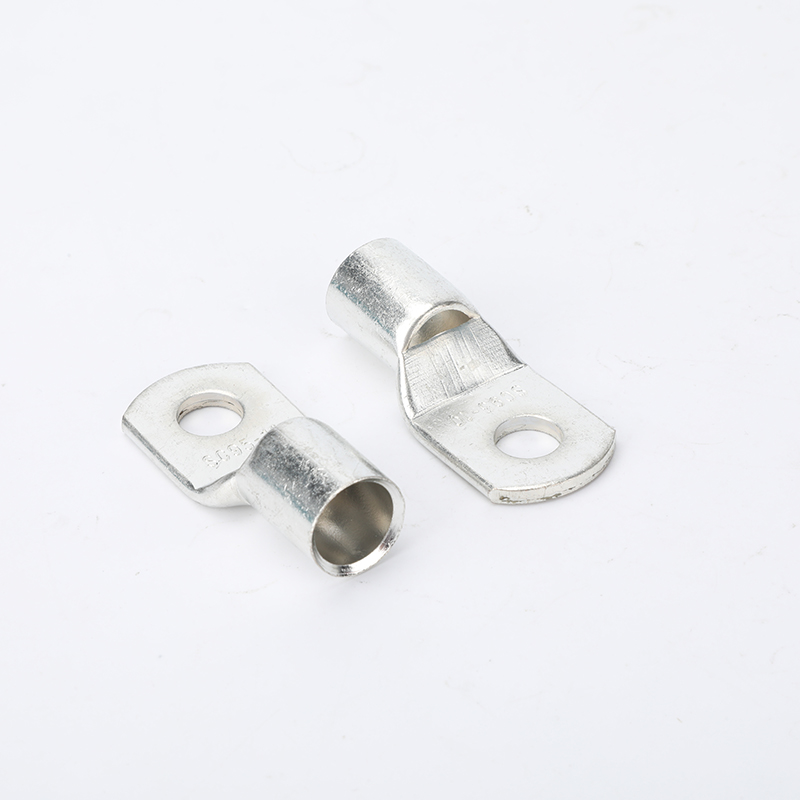
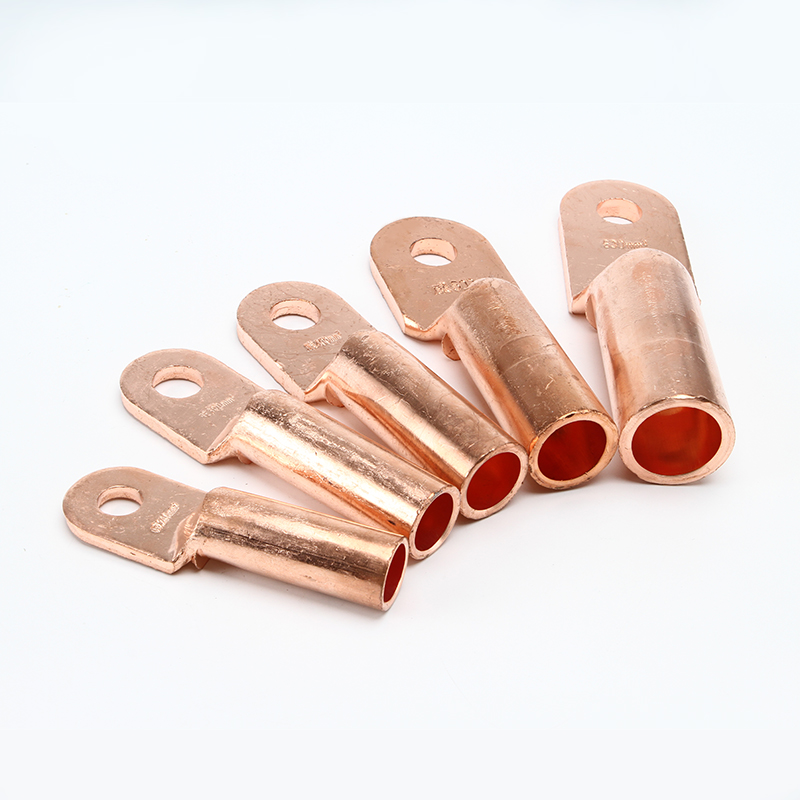
A Copper Terminal Lug (often called a cable lug) is a connector designed to terminate a cable or a large wire, providing a secure, robust interface for connecting to equipment like circuit breakers, busbars, or disconnect switches. They typically have a barrel (where the cable is crimped) and a palmetto/ring/spade tongue (with a hole for a bolt).
A Ferrule (or wire end sleeve) is a small, short, cylindrical sleeve made of copper, often tin-plated. It is designed to be crimped onto the end of a stranded wire. Its primary purpose is to consolidate the fine strands, preventing them from splaying out, and to create a solid, durable end that is perfectly shaped for insertion into a screw-clamp terminal block (common in control panels and DIN rail systems).
The most crucial distinction lies in their end use. Terminal Lugs are for termination points—they are the final connection point between a conductor and a piece of equipment. Ferrules are for conductor preparation—they are an intermediary step that prepares a stranded wire for a clean and reliable termination within a screw-type connector. One is the “finished product,” the other is a “finishing tool” for the wire itself.
The following table provides a clear, side-by-side analysis to guide your selection process.
| Feature | Copper Terminal Lug | Ferrule (Wire End Sleeve) |
|---|---|---|
| Primary Function | To terminate a cable/wire for bolted connection to equipment. | To prepare and reinforce the end of a stranded wire for screw-clamp terminals. |
| Typical Conductor | Larger power cables (fine/coarse stranded), solid conductors. | Smaller gauge, fine-stranded control wires (e.g., in panel building). |
| Connection Method | Bolt/Nut/Screw through the lug’s tongue. | Insertion into a screw-clamp or spring-cage terminal block. |
| Current Rating | High. Designed for power circuits, from tens to thousands of amps. | Low to Medium. Designed for control, signal, and lower-power circuits. |
| Key Applications | Main power distribution panels, transformers, motor connections, generators, battery banks. | Control panels, PLCs, instrumentation, DIN rail terminal blocks, automation systems. |
| Installation Tool | Heavy-duty hydraulic or mechanical crimping tool. | Precision hand-crimping tool (often with color-coded dies). |
| Mechanical Role | Provides high mechanical strength and vibration resistance for permanent, high-stress connections. | Prevents strand breakage and splay, ensures all strands are captured under the screw clamp. |
| Visual Result | A robust, standalone connector attached to a cable end. | A neat, cylindrical, solid-looking end on a stranded wire. |
Specify a terminal lug when your connection involves high current, large cable diameters (e.g., 6 AWG and above), or a need for extreme mechanical durability. They are mandatory for connecting power sources to distribution panels, linking heavy machinery to starters, or establishing grounding electrode conductors. Their bolted design allows for a high-clamping force connection that can withstand thermal cycling and physical stress. For outdoor or corrosive environments, choose lugs with appropriate plating (tin or silver).
Ferrules are essential in control panel wiring and any application using fine-stranded wire with screw-clamp terminals. Without a ferrule, the individual strands of a fine wire can spread apart when tightened under a screw, leading to a poor connection, reduced contact area, and potential for stray strands causing short circuits. Ferrules ensure 100% of the conductive strands are captured, provide a gas-tight crimp to prevent oxidation, and vastly improve the consistency and reliability of mass-term installations in control cabinets. They are a mark of professional, high-quality panel building.
The decision is rarely “which is better overall” but “which is correct for this specific task.” Ask these questions:
Connection Point: Is it a bolt-on stud/busbar (use a Lug) or a screw-terminal block (use a Ferrule)?
Conductor Type: Is it a large, coarse-stranded power cable (Lug) or a smaller, fine-stranded control wire (Ferrule)?
Environment: Is it a high-vibration, high-power setting (Lug) or a controlled panel environment (Ferrule)?
Investing in and using both correctly reduces failure rates, improves safety, and speeds up installation and maintenance.
Q1: Can I use a ferrule instead of a small ring tongue lug on a screw terminal?
Sometimes, but it depends. A small insulated ring tongue lug is designed for bolting. A ferrule is designed for a terminal block’s clamping mechanism. Use the component specifically designed for the terminal type you are connecting to.
Q2: What happens if I don’t use a ferrule on a stranded wire in a screw terminal?
The strands can spread, break, or not be fully captured. This leads to a high-resistance connection, overheating, potential arcing, and is a common point of failure in control systems.
Q3: Are there insulated versions of both?
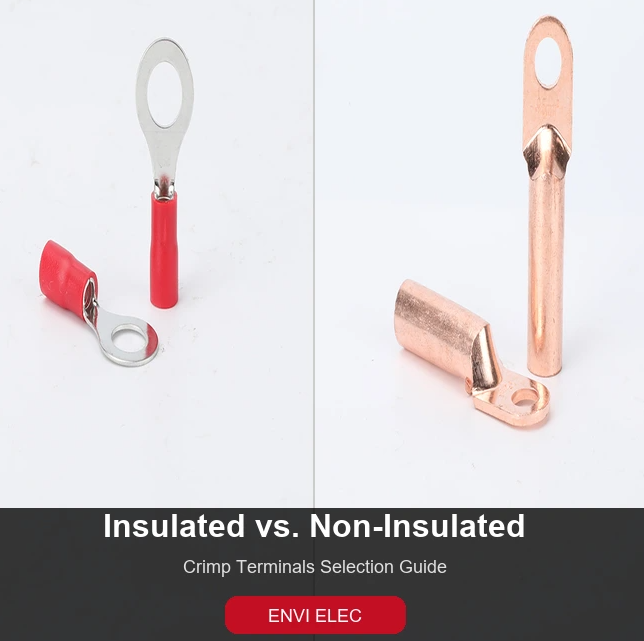
Yes. Terminal lugs often come with nylon or vinyl insulation sleeves that cover the barrel. Ferrules are available in insulated versions (plastic collar) and non-insulated. The choice depends on the application’s need for touch protection.
Q4: How do I choose the correct size?
For Lugs: Match the lug’s barrel inner diameter to the cable’s outer diameter, and its tongue hole size to the bolt diameter.
For Ferrules: Match the ferrule’s wire range (e.g., 16-14 AWG) to your conductor’s size, and its outer diameter to the terminal block’s entry capacity.
Copper terminal lugs and ferrules are not competitors; they are complementary tools in the electrical professional’s toolkit. Terminal lugs are the workhorses for power and grounding connections, while ferrules are the precision instruments for reliable control wiring. Understanding their distinct roles ensures you build electrical systems that are not only functional but also safe, durable, and compliant with best practices.
Equip your business with the right connection solutions for every job. Explore the full range of high-quality, certified copper terminal lugs, ferrules, and the proper crimping tools at Envi Electric. Visit Our Web today to ensure every connection in your facility is secure, efficient, and built to last.

With extensive experience, excellent craftsmanship, and superior customer service, we meet various technical requirements to satisfy our customers and have gained widespread