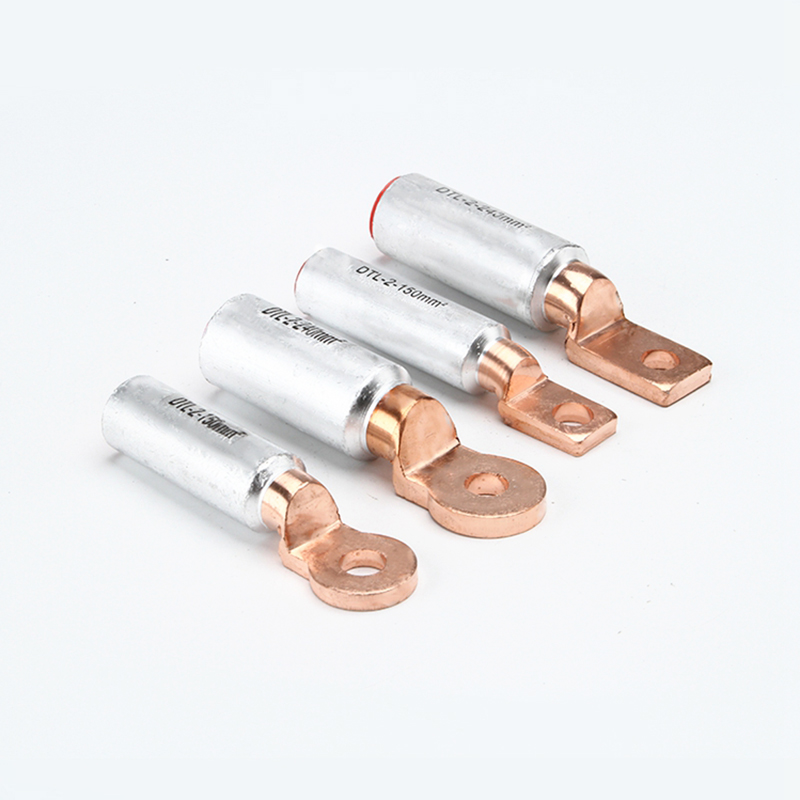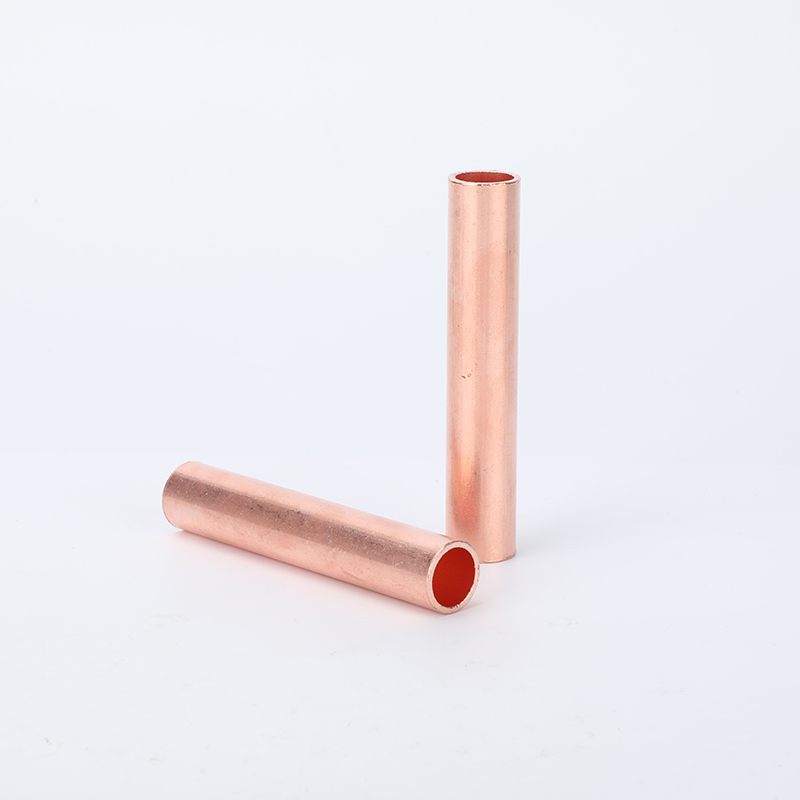
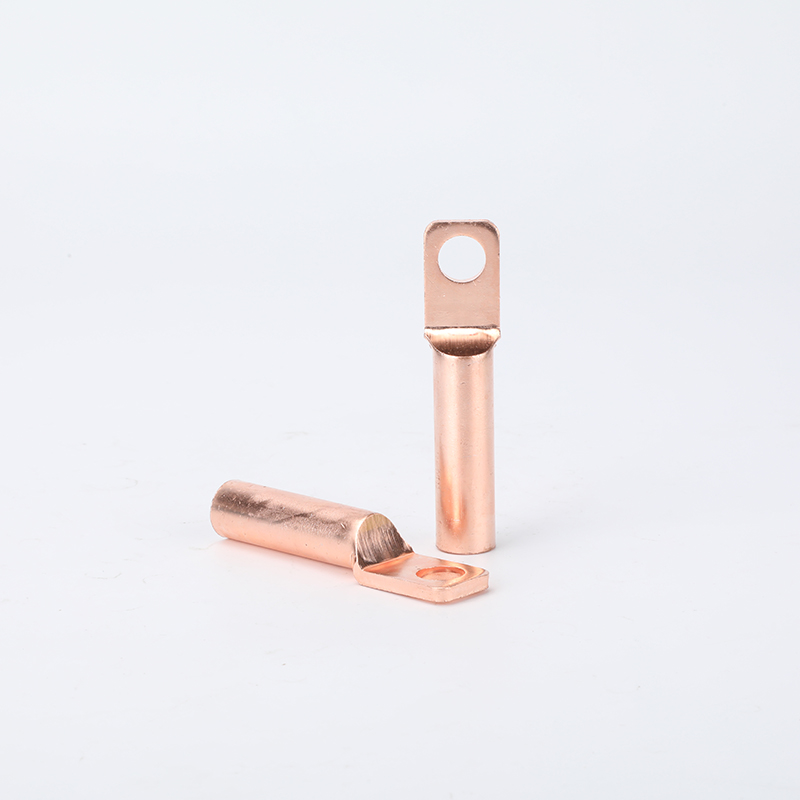
High-vibration environments found in industrial machinery, generators, engines, and transportation systems pose a significant challenge to electrical connections. Standard lugs can loosen over time, leading to increased resistance, heat buildup, arcing, and ultimately, system failure. Selecting the right copper lug is not just a matter of conductivity—it’s a critical safety and reliability decision. This guide explores the key features that define the best copper lugs for high-vibration applications, helping you ensure durable, maintenance-free, and safe electrical connections where it matters most.
The ideal lug for high-vibration use combines robust mechanical design with superior material quality to resist loosening and degradation. The following table compares essential features versus their benefits in demanding conditions.
| Feature | Why It’s Critical for High-Vibration Applications |
|---|---|
| Double-Hole (Two-Bolt) Design | Provides superior mechanical clamping force and prevents rotational movement, the primary cause of loosening under vibration. |
| High-Quality, Annealed Copper | Ensures excellent conductivity and malleability for a secure crimp that won’t crack under stress or thermal cycling. |
| Tin Plating | Creates a protective barrier against oxidation and corrosion, which can increase resistance. It also improves contact surface integrity. |
| Heavy-Duty Construction | Features a thicker palm and robust barrel walls to withstand physical stress and prevent deformation from over-torquing. |
| Precise Manufacturing Standards | Guarantees consistent dimensions (e.g., hole size, palm thickness) for a perfect fit with connectors and cables, eliminating play. |
| Proper Installation (Crimping/Torque) | A correctly crimped and torqued connection maintains contact pressure and is the final, crucial step for vibration resistance. |
In high-vibration settings, the single greatest risk is a lug rotating or working loose around its connection bolt. A double-hole lug solves this by anchoring the connection at two distinct points. This design dramatically increases the clamping surface area and distributes vibrational forces, effectively “locking” the lug in place. This mechanical stability is the foundational feature that separates vibration-resistant lugs from general-purpose ones, making them indispensable for engines, pump systems, and heavy machinery.
Not all copper is equal. For vibration resistance, the lug must be made from high-purity, annealed copper. Annealing is a heat treatment process that makes the copper softer and more ductile. This malleability is crucial because it allows the lug barrel to deform uniformly during crimping, creating a cold weld with the cable strands that is gas-tight and highly resistant to fatigue. A brittle or impure copper lug could develop micro-cracks over time from constant vibration, leading to failure.
Bare copper oxidizes when exposed to air and moisture, forming a non-conductive layer that increases electrical resistance and generates heat. In high-vibration environments, this oxidation can be accelerated. Tin plating acts as a sacrificial layer, preventing the underlying copper from corroding. It also provides a smoother, more stable contact surface with the terminal block or busbar, ensuring consistent conductivity and making the connection more resistant to the degrading effects of micro-movement.
Vibration imposes continuous physical stress. The best lugs for these applications are over-engineered for strength. Look for lugs with a visibly thicker palm (the flat part with holes) and reinforced barrel walls. This heavy-duty construction prevents the palm from warping under high bolt torque and ensures the barrel maintains its grip on the cable even when subjected to lateral forces. It’s a clear indicator that the lug is built for an industrial duty cycle, not just light electrical work.
A lug that doesn’t fit perfectly will inevitably loosen. Precision manufacturing ensures that bolt holes are perfectly aligned and sized for standard hardware, and that the internal barrel diameter matches the cable size exactly. This eliminates any “play” or slop in the connection, which is a starting point for vibration-induced wear and fretting corrosion. Consistency across every lug in a batch is a hallmark of a quality manufacturer and is non-negotiable for reliable high-vibration performance.
Even the best lug will fail if installed incorrectly. For vibration resistance, two installation aspects are paramount. First, the crimp must be performed with the correct, calibrated tool to achieve the specified compression ratio, creating a permanent, high-pressure connection. Second, the mounting bolts must be torqued to the manufacturer’s exact specification using a torque wrench—never by “feel.” Proper torque ensures optimal contact pressure without damaging the lug, completing a vibration-proof connection system.
Q: Why are double-hole lugs better for vibration?
A: They provide two anchoring points, distributing force and preventing rotation—the main cause of loosening under vibration.
Q: Is tin plating necessary on copper lugs?
A: For high-vibration or harsh environments, yes. It prevents corrosion that increases resistance and ensures stable contact despite micro-movements.
Q: Can I use a standard crimping tool for these heavy-duty lugs?
A: You must use a high-quality, calibrated crimping tool matched to the lug’s size and specification to achieve the necessary compression for a vibration-proof crimp.
Q: Does Envi Electric offer lugs specifically rated for high-vibration use?
A: Yes. Envi Electric provides a selection of double-hole, tin-plated copper lugs with heavy-duty construction designed for demanding industrial and mechanical applications. Find the right solution at 我们网站.
Q: How often should I retorque connections in high-vibration areas?
A: With properly selected and installed vibration-resistant lugs, retorquing should be minimal. However, include them in your regular preventive maintenance schedule for visual inspection and verification.
For high-vibration machines and engines, the best copper lugs are defined by a double-hole design, premium annealed copper with tin plating, and heavy-duty construction. These features work in concert to prevent loosening, resist corrosion, and maintain a low-resistance connection under constant stress. Don’t let vibration compromise your operations. Invest in connections built for the challenge. Explore Envi Electric’s range of industrial-grade, vibration-resistant copper lugs designed for reliability at 我们网站.

With extensive experience, excellent craftsmanship, and superior customer service, we meet various technical requirements to satisfy our customers and have gained widespread