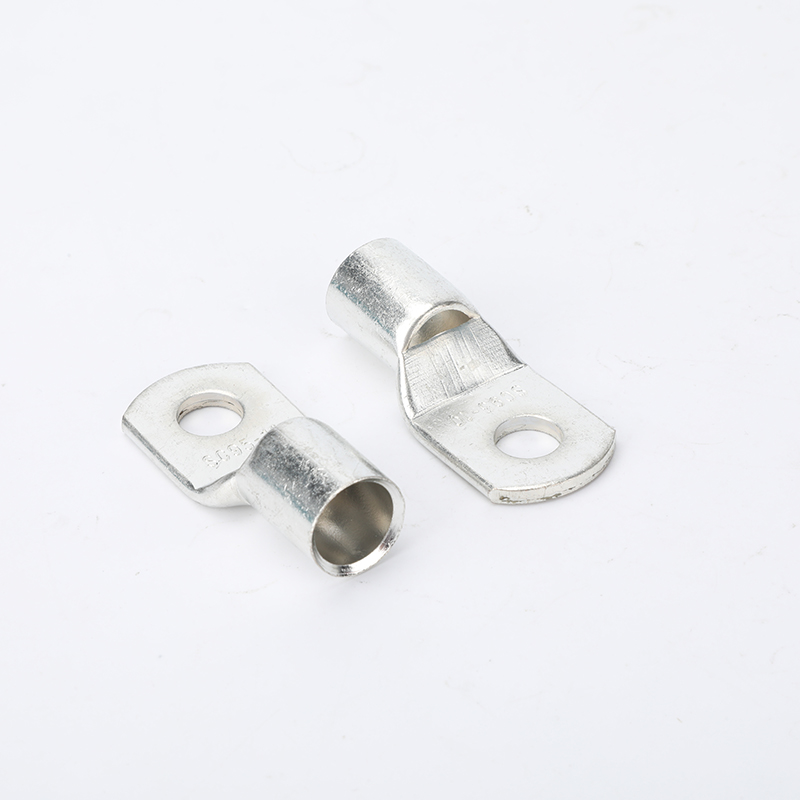

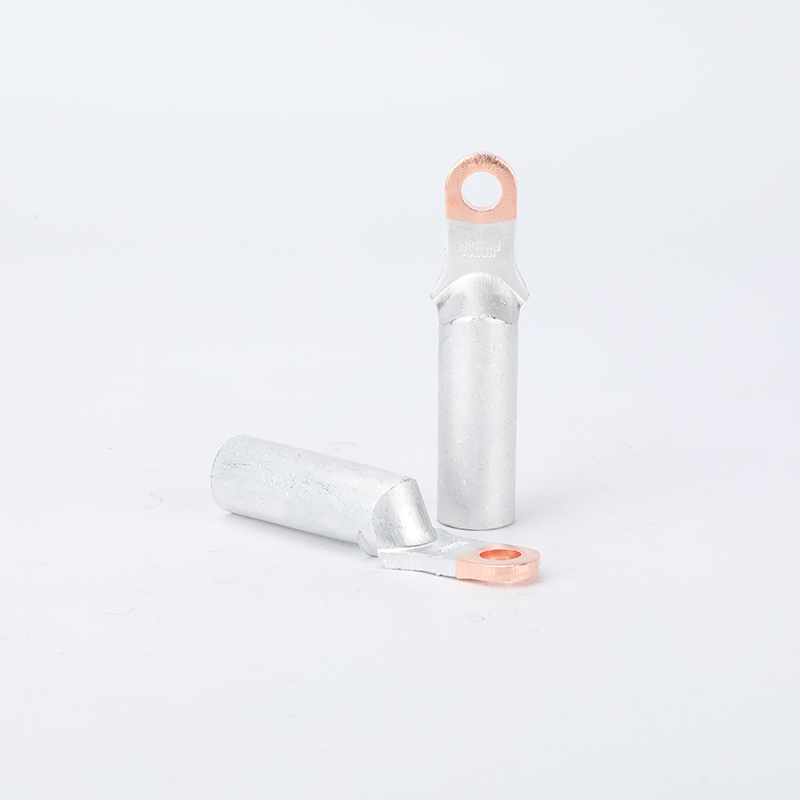
Copper lugs are critical components in electrical systems, ensuring secure and efficient connections. When selecting between single hole and double hole copper lugs, strength is a primary consideration. This blog compares their mechanical and electrical strength, helping you choose the right option for your needs. We’ll explore key factors, backed by a detailed table and analysis, while naturally introducing Envi Electric’s reliable products. Stay informed to enhance your electrical projects with confidence.
Copper lugs serve as connectors between cables and equipment, providing stable electrical contact and mechanical hold. Strength in lugs encompasses not just durability but also performance under stress, conductivity, and installation reliability. Below is a table summarizing the core differences, followed by paragraph-based insights to elaborate on each aspect.
| Characteristic | Single Hole Copper Lugs | Double Hole Copper Lugs |
|---|---|---|
| Mechanical Strength | High, but dependent on a single bolt point | Higher, due to dual-bolt load distribution |
| Electrical Conductivity | Excellent, with low resistance from copper material | Excellent, often enhanced by larger contact area |
| Installation Stability | Good, but prone to rotation if not torqued properly | Excellent, with rotation prevention from two holes |
| Suitable Cable Size | Small to medium cables (e.g., up to 250 MCM) | Medium to large cables (e.g., 250 MCM and above) |
| Cost Efficiency | Lower cost, ideal for budget-friendly projects | Higher cost, justified for heavy-duty applications |
| Application Scenarios | Residential wiring, light commercial, low-vibration setups | Industrial plants, high-vibration environments, critical infrastructure |
| Maintenance Needs | Periodic checks for bolt tightness recommended | Reduced maintenance due to enhanced stability |
Double hole copper lugs generally offer superior mechanical strength because the two bolts distribute force across a wider area, minimizing stress concentration. This design reduces the risk of lug deformation or failure under high torque or continuous vibration. In contrast, single hole lugs rely on one bolt, making them strong for standard loads but potentially weaker in dynamic settings where vibrations might loosen connections over time.
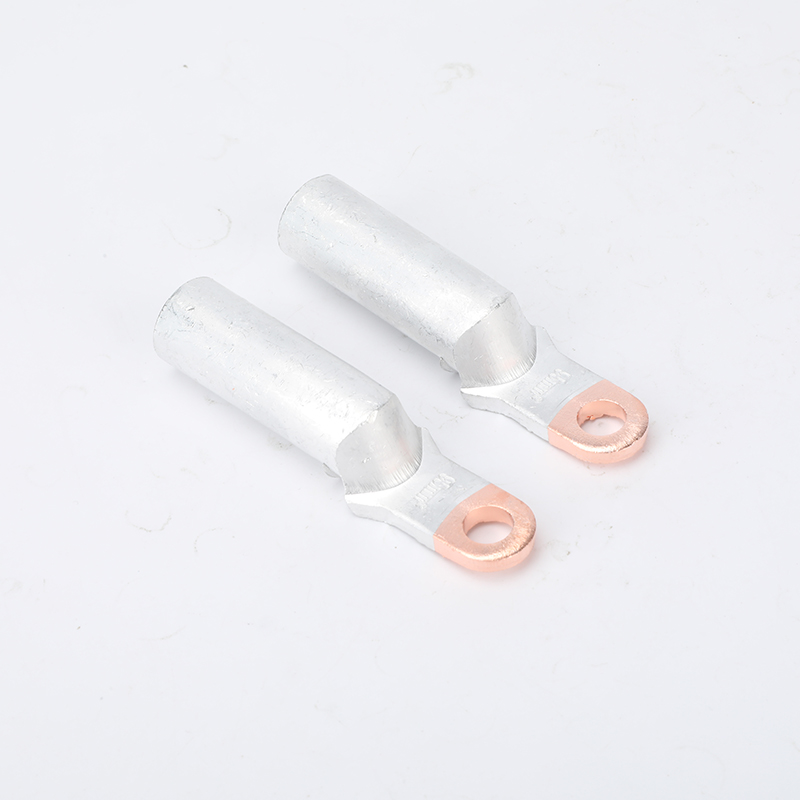
Both types excel in electrical conductivity due to their copper construction, which ensures minimal resistance and efficient current flow. However, double hole lugs may provide a slight advantage because the additional bolt increases the contact surface between the lug and the connector, potentially enhancing current carrying capacity. For most routine applications, such as household electrical systems, single hole lugs deliver sufficient conductivity without compromise.
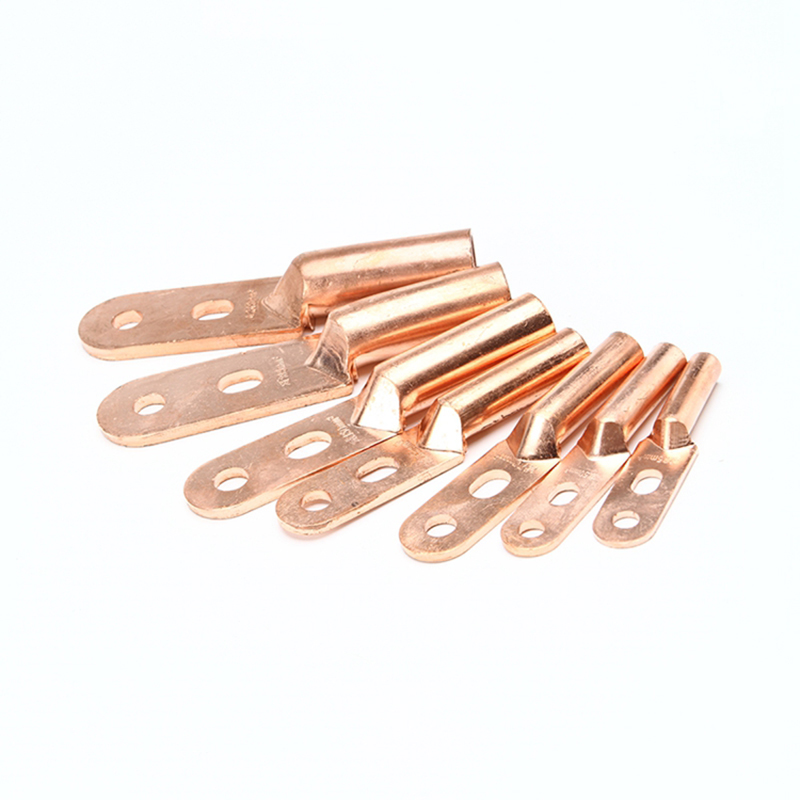
Stability during installation is crucial for long-term safety. Double hole lugs shine here, as the dual-hole design prevents rotation and slippage, ensuring a secure fit even in high-movement environments. Single hole lugs require careful torque application during installation to avoid rotation, which can lead to poor connections if not monitored. This makes double hole variants preferable for installations where accessibility for maintenance is limited.
The choice between single and double hole lugs often depends on cable dimensions. Single hole lugs are tailored for small to medium cables, commonly used in residential and light commercial projects. Double hole lugs accommodate larger cables, providing better clamping force and distribution, which is essential for industrial machinery or power distribution systems that handle higher currents.
From a budget perspective, single hole lugs are more economical, making them a popular choice for cost-sensitive projects without heavy demands. Double hole lugs come at a premium but offer added value through enhanced durability and safety in critical applications. Investing in double hole lugs can reduce long-term repair costs and downtime in industrial settings.
Single hole lugs are ideal for stable, low-vibration environments like homes, offices, and light retail spaces. Double hole lugs are recommended for harsh conditions, such as manufacturing plants, transportation systems, or renewable energy installations, where vibrations and mechanical stress are prevalent. Selecting the right type based on environment ensures optimal performance and safety.
Q: Are single hole copper lugs strong enough for industrial use?
A: They can be used in light industrial settings, but double hole lugs are recommended for heavy-duty or high-vibration environments due to better load distribution.
Q: Do double hole copper lugs improve electrical safety?
A: Yes, their enhanced stability and contact area reduce risks of loose connections, improving overall safety in critical applications.
Q: Which lug type is more cost-effective for residential wiring?
A: Single hole copper lugs are typically more cost-effective and sufficient for residential needs, offering reliable performance at a lower price.
Q: Does Envi Electric offer both single and double hole copper lugs?
A: Yes, Envi Electric provides a wide selection of both types, ensuring high quality and compliance with industry standards. Visit Our Web for details.
Q: How do I choose between single and double hole lugs for my project?
A: Consider factors like cable size, vibration levels, and budget. For small cables and stable settings, single hole lugs work well; for larger cables or harsh conditions, opt for double hole lugs.
In summary, double hole copper lugs are stronger mechanically and more stable for high-vibration or heavy-duty applications, while single hole lugs provide cost-effective reliability for standard uses. Your choice should align with project requirements, prioritizing safety and longevity. For top-quality options, explore Envi Electric’s range of certified copper lugs at Our Web—where performance meets affordability.

With extensive experience, excellent craftsmanship, and superior customer service, we meet various technical requirements to satisfy our customers and have gained widespread