

A cable lug may meet dimensional and material specifications, but the connection can still fail if the conductor is not properly secured during crimping. Under mechanical stress, a weak crimp may allow the conductor to pull out, affecting connection reliability and equipment performance.
The cable lug pull-out test helps buyers evaluate crimping quality by measuring the force required to separate the conductor from the lug. This guide covers key testing methods, applicable standards, acceptance criteria, and what to look for in supplier test reports
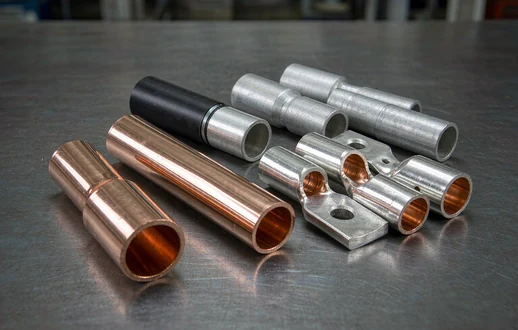
The test grips the lug and the conductor separately, then separates them at a controlled rate until the assembly fails. The peak load is the pull-out force. It tells you how well the crimped barrel transfers axial load into the conductor strands, which is a proxy for the quality of the deformation, the barrel dimensions and the friction between the two surfaces.
It is not a measure of electrical performance, and it does not predict how the joint behaves after years of thermal cycling. You need both mechanical and electrical evidence for a complete approval.
Tensile strength describes the conductor or the lug material itself. Pull-out force describes the interface between them. A test where the conductor breaks outside the barrel is usually a good sign, because the joint outlasted the cable. A test where the conductor slides out intact tells you the crimp was too loose, the barrel was too short or the die was wrong. You should record which of the two happened, not just the peak force, because the same force value can describe two very different quality outcomes.
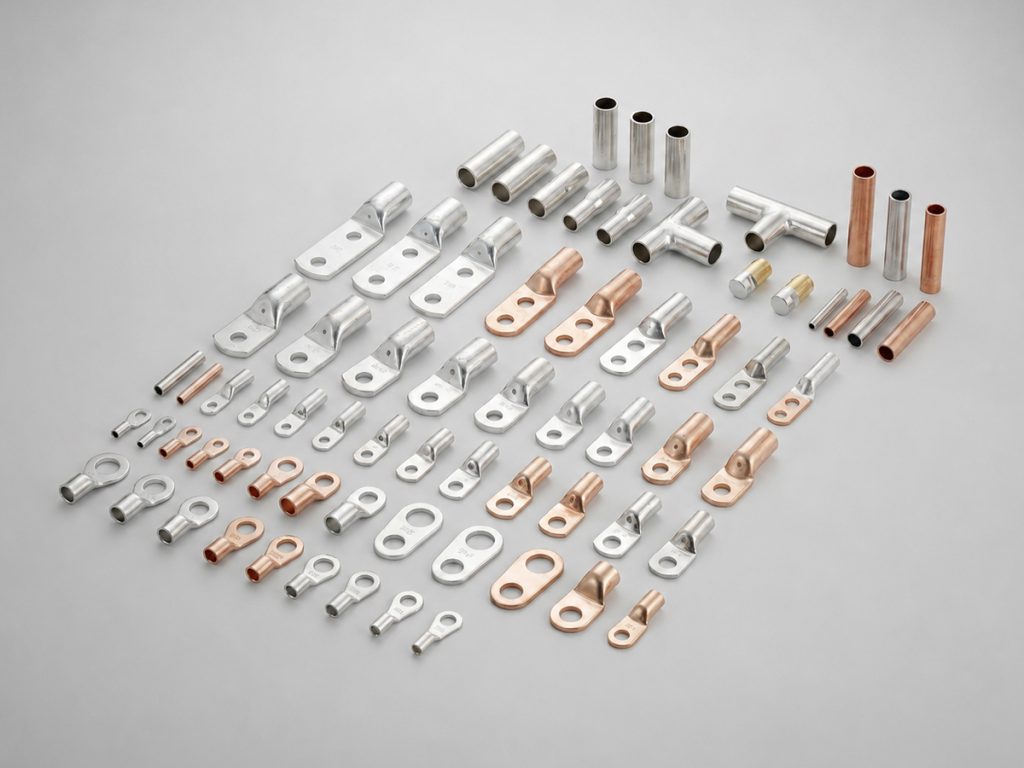
For its DT copper terminal cable lug range, ENVI records both the peak pull-out force and the observed failure mode, providing buyers with a clearer picture of crimping performance and connection reliability.
Low pull-out results often come down to a few common issues: an undersized die, tooling that is overdue for calibration, incomplete conductor insertion, inconsistent strand classes within a batch, or a mismatch between the cable diameter and lug barrel.
Excessive crimping pressure can also damage or cut conductor strands, reducing the effective cross-sectional area. Surface conditions matter as well, as oxide layers or drawing lubricants can affect friction during crimping.
A failed pull-out test should be treated as a sign of a possible process issue. Before attributing the failure to the lug itself, check the crimp height, tooling records, and cable specifications.
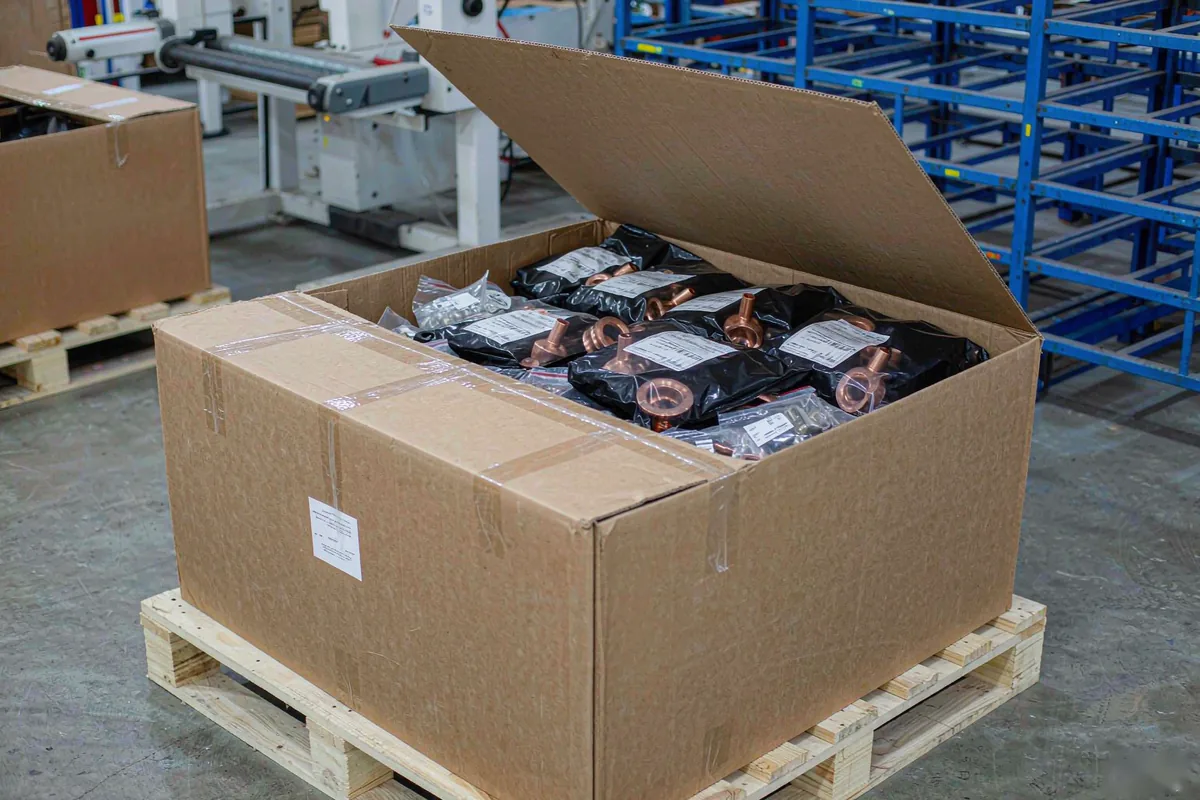
Pull-out force requirements define the minimum force a crimped connection must withstand, either as an absolute load or a value based on a reference measurement. The required force depends on the applicable standard and conductor class.
It is important to specify the cable type, crimping die, and test speed, as changes in these conditions can affect the results and make comparisons unreliable.
Always check the test conditions alongside the specified force. For example, a requirement for a compacted Class 2 stranded conductor should not automatically be applied to a flexible Class 5 cable, as differences in strand structure affect how the conductor is held inside the lug barrel.
Also check whether the requirement applies to each individual sample or to the average result across a batch. For procurement, clearly state the conductor size and class, applicable standard, minimum pull-out force, and required failure mode in your specification. This makes supplier test results easier to compare and helps avoid disagreements during quality approval.
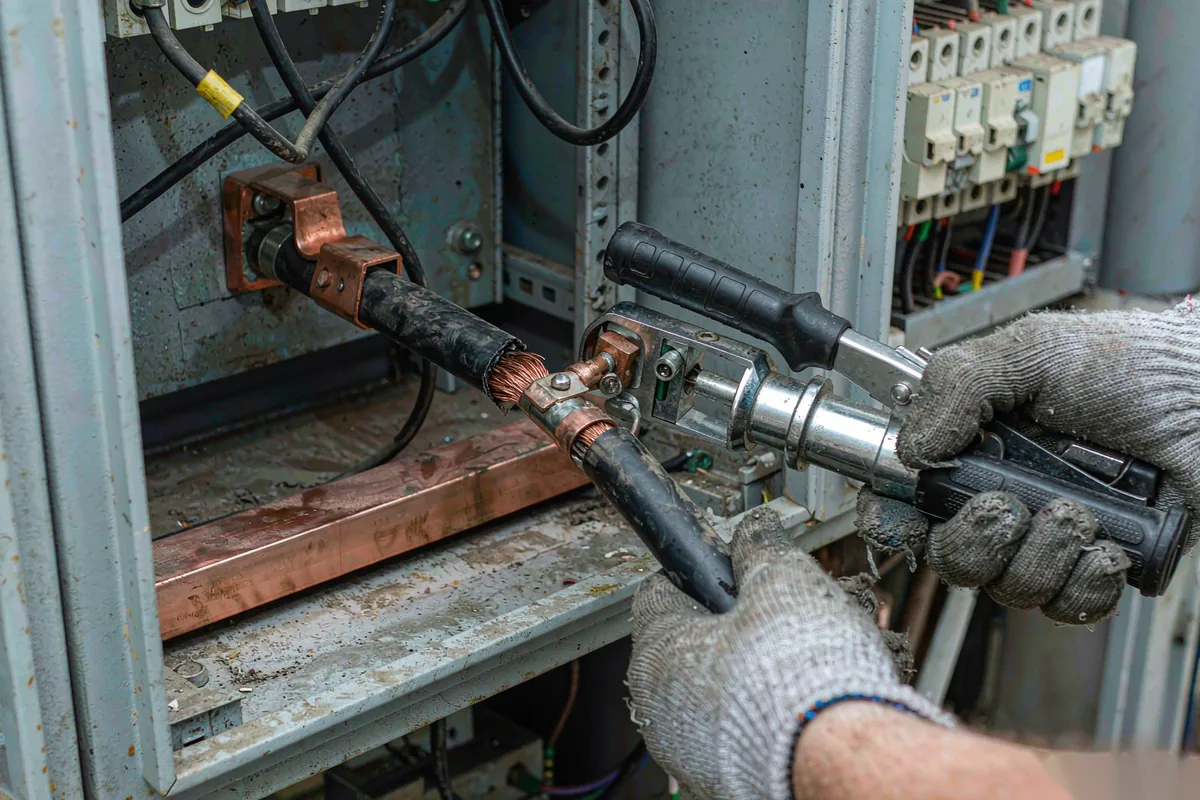
A typical setup uses a universal testing machine with aligned grips, a calibrated load cell and a constant crosshead speed. The operator inserts the conductor to the marked depth, crimps with the specified die, then loads the assembly until separation. Because the test is destructive, you can only sample production rather than inspect every piece. You should keep the crimp height and the die identification for each sample, so a low result can be traced to a tool or an operator. Our crimp terminals are qualified with the same documented die-and-cable pairing.
Your acceptance criteria should be written before you see any supplier data. Otherwise you will be tempted to accept the numbers you are given. Define the minimum force, the allowed failure mode, the sample size and what happens when one sample fails. A static worksheet like the one below keeps the discussion consistent across suppliers and gives your quality team something they can actually sign.
Set the threshold from the standard and the conductor size, then add your own margin for the duty cycle. For high-vibration installations you may reasonably require a higher retention force or a crimp with a longer barrel. State whether a conductor break outside the barrel is an automatic pass and whether a pull-out below the limit is an automatic fail. Avoid a single averaged result, because one weak crimp hidden inside an average is exactly the defect you are trying to catch.
| Field | What you record | Why it matters |
|---|---|---|
| Conductor | Size, class, stranding and material | Defines the applicable force limit. |
| Tooling | Die code, crimp height and calibration date | Links the result to a repeatable process. |
| Peak load | Force at separation, per sample | Shows spread, not just an average. |
| Failure mode | Conductor break or conductor pull-out | Tells you where the weakness is. |
| Decision | Pass, fail or retest with reason | Creates an auditable record. |
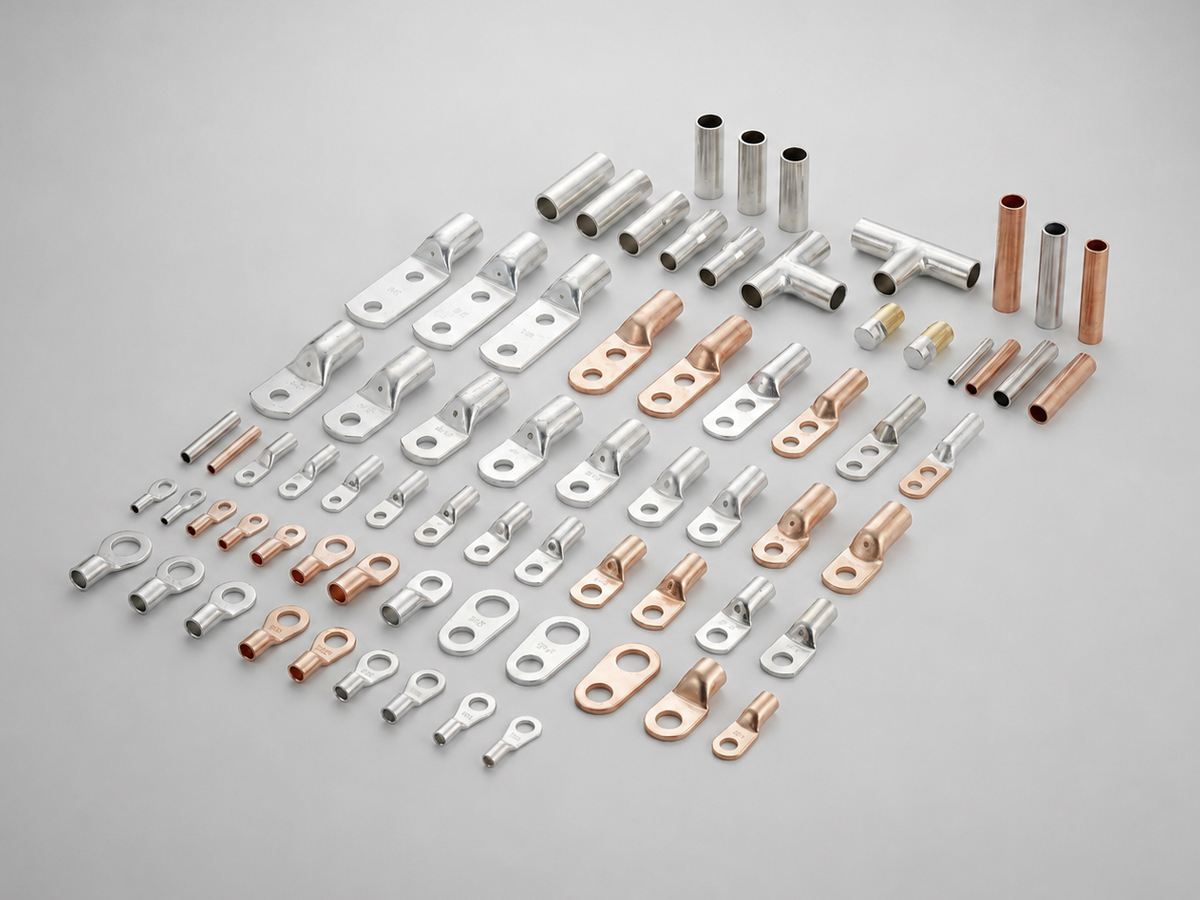
A pull-out force value alone does not guarantee a reliable cable connection. The actual performance depends on conductor type, terminal design, crimping conditions and the intended application. When comparing suppliers, look beyond headline specifications and check whether their cable lug recommendations match your project requirements.
ENVI’s engineering team can help review your connection design, assess cable lug compatibility and recommend suitable products based on your application. From material selection and conductor matching to crimping requirements, we can help define the key technical specifications and ensure they align with your project needs before mass production.
Contact ENVI to discuss your custom cable lug requirements and find a connection solution suited to your application.
Want pull-out data with your quotation?
Share your conductor size and class, crimping tool, and applicable testing standard with ENVI’s engineering team.
We’ll help you select a suitable cable lug and provide relevant mechanical test data to support your product evaluation and approval process.
Not necessarily. Over-crimping can raise retention while cutting strands or work-hardening the barrel, which hurts electrical performance and fatigue life.
Yes. A different die changes the deformation geometry even at the same nominal size, so the previous force result no longer describes your process.
It is. The assembly is loaded until it fails, so you cannot test every production piece. Use it as a lot-acceptance tool supported by crimp-height checks.
Pull-out tests the barrel-to-conductor interface; tensile strength tests the material or the finished part. A strong lug with a weak crimp can still fail in service.
Specify both. A minimum force without a failure mode can hide a smooth pull-out that happened to pass the number but indicates poor deformation.
Selection reading
How to Select the Right Bimetallic Cable Lugs — seven checks before you fix the specification.
Process reading
Compression vs Mechanical Lugs — how the connection method changes your evidence requirements.
Product range
ENVI Crimp Terminals — matched lugs and tooling by conductor size.

With extensive experience, excellent craftsmanship, and superior customer service, we meet various technical requirements to satisfy our customers and have gained widespread
 Optimized by Seraphinite Accelerator