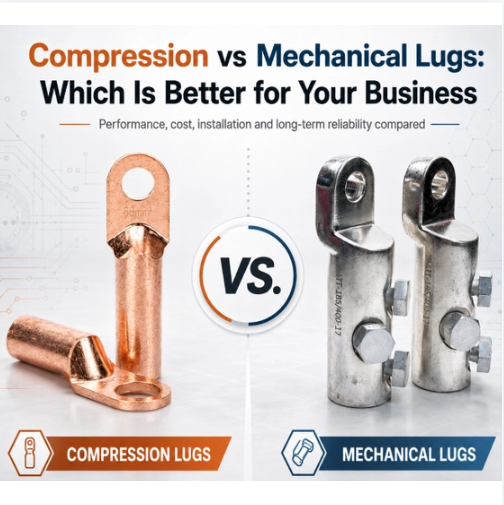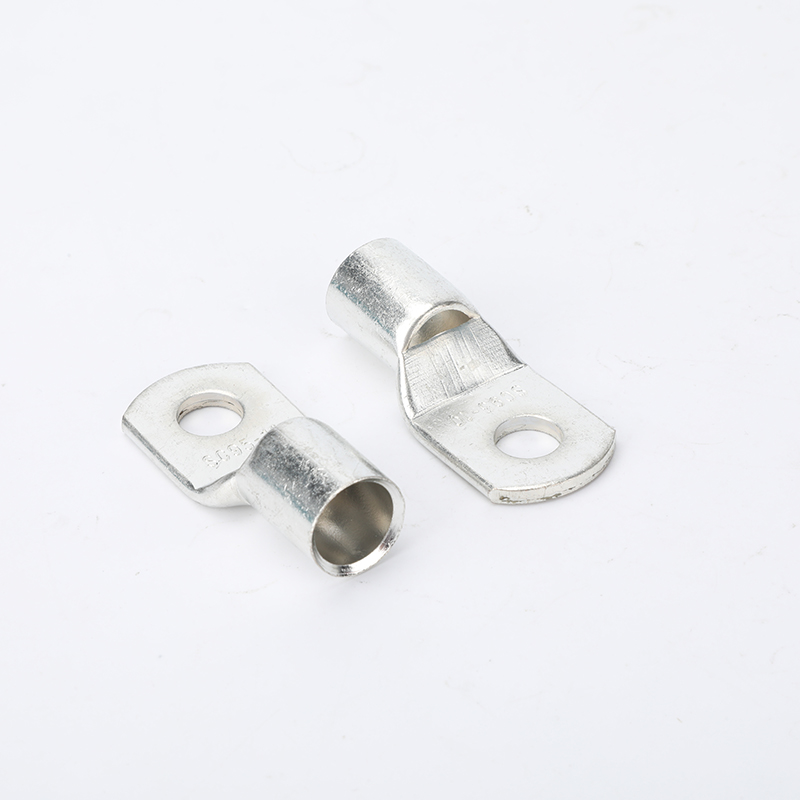

When designing high-current electrical systems, the choice of termination components directly impacts safety, efficiency, and long-term reliability. Electrolytic lugs copper have emerged as the industry standard for demanding applications ranging from power distribution to renewable energy installations. These connectors are manufactured from copper refined through an electrolytic process, which removes impurities and produces a metal with exceptional electrical properties . At ENVI ELEC, we understand that selecting the right lug is not just about making a connection—it’s about ensuring the entire system performs optimally under load.
The primary advantage of electrolytic copper lugs lies in their exceptional conductivity. Electrolytic tough pitch (ETP) copper typically achieves 100% to 101% IACS (International Annealed Copper Standard), making it the benchmark for electrical applications . The electrolytic refining process removes metallic impurities to below 50 parts per million, resulting in a material with minimal resistance to current flow. In high-current circuits, where even small increases in resistance generate significant heat, this conductivity advantage translates directly to reduced energy losses and cooler operating temperatures. The electrical conductivity of electrolytic copper is approximately 17 nano-ohm meters, significantly lower than deoxidized copper or other alternatives .
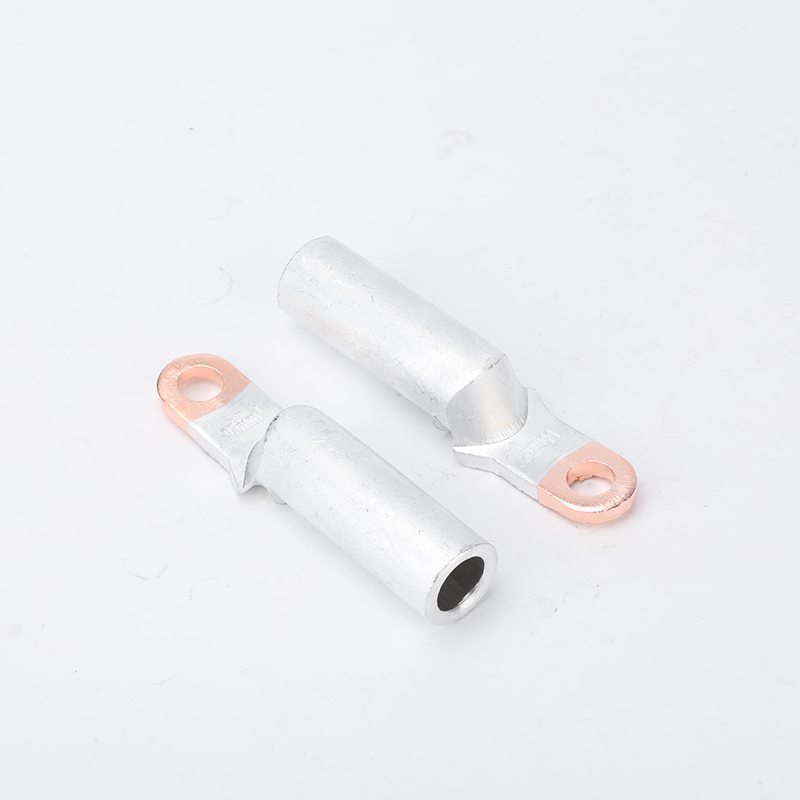
DTLX Small end copper aluminium terminal 2
Beyond conductivity, electrolytic copper offers outstanding ductility, which is critical for crimping and installation. This material can be cold-worked and formed without cracking, ensuring that the lug barrel compresses evenly around the conductor during crimping . A proper crimp creates a gas-tight connection that excludes oxygen and moisture, preventing oxidation at the contact point. The ductility of electrolytic copper also allows manufacturers to produce lugs with optimized wall thickness and flared barrel entries, facilitating easier conductor insertion while maintaining structural integrity under load .
Many high-quality electrolytic copper lugs are available with tin plating, which provides an additional layer of protection against corrosion. The tin coating, typically applied at a minimum thickness of 3 micrometers, shields the copper from oxidation and environmental degradation . This is particularly important in marine, industrial, and outdoor applications where moisture and contaminants can accelerate corrosion. The combination of high-purity copper and protective plating ensures that the connection maintains its low resistance over decades of service, reducing maintenance requirements and preventing the formation of hotspots that can lead to system failure.
The following table summarizes the key properties of electrolytic copper lugs for high-current applications:
| Property | Electrolytic Copper (ETP) | Benefit for High-Current Circuits |
|---|---|---|
| Conductivity | 100-101% IACS | Minimizes voltage drop and heat generation |
| Purity | 99.9%+ copper | Ensures consistent electrical performance |
| Temper Options | Soft, half-hard, hard | Balance of strength and formability |
| Plating Options | Tin-plated (3µm+) | Corrosion resistance and oxidation protection |
| Operating Range | -50°C to +150°C | Suitable for demanding environments |
In high-current power systems, the ability to withstand short-circuit or fault currents is a critical safety consideration. Electrolytic copper lugs are designed to handle these extreme conditions without failing. The material’s high melting point and thermal conductivity allow it to absorb and dissipate the intense heat generated during fault events. Two-hole designs further enhance mechanical stability, preventing rotation under the electromagnetic forces that occur during short circuits . This dual-hole configuration distributes connection forces evenly, maintaining proper conductor spacing and preventing phase-to-phase faults that could cause catastrophic equipment damage.
The combination of high conductivity, corrosion resistance, and mechanical strength results in connections that remain stable over the long term. Electrolytic copper lugs maintain consistent contact pressure even through thermal cycling, which causes expansion and contraction of connected components . This stability reduces the need for periodic re-torquing and inspection, lowering maintenance costs and downtime. Compliance with international standards such as IEC 61238-1, which specifies testing requirements for electrical connections, provides further assurance that these lugs have been rigorously tested for both electrical and mechanical durability .
Q: What is the difference between electrolytic copper and standard copper for lugs?
A: Electrolytic copper is refined through an electrochemical process that removes impurities to below 50 ppm, achieving higher purity and conductivity than deoxidized copper grades . This results in better electrical performance and more consistent mechanical properties for crimping.
Q: Can electrolytic copper lugs be used outdoors or in marine environments?
A: Yes, particularly when tin-plated. The tin coating, typically applied at 3 micrometers minimum thickness, provides corrosion resistance against moisture, salt, and industrial contaminants, making them suitable for harsh environments .
Q: How do I choose the right temper for my application?
A: Electrolytic copper is available in soft, half-hard, and hard tempers. Soft temper offers maximum ductility for easy crimping, while hard temper provides higher tensile strength but lower elongation . For most electrical terminations, soft or half-hard is preferred.
Q: What does a dual-hole design offer compared to single-hole lugs?
A: A dual-hole design prevents rotation under mechanical stress or fault currents, distributes connection forces evenly, and provides larger contact area for improved current distribution and lower contact resistance .
Electrolytic copper lugs deliver five critical advantages for high-current circuits: superior conductivity, excellent ductility for reliable crimping, corrosion resistance through plating options, high fault current withstand capability, and long-term connection stability. These benefits translate directly to safer, more efficient electrical systems with lower maintenance requirements. For your next high-current installation, choose ENVI ELEC’s premium electrolytic copper lugs—engineered for performance and built to last. Contact our team today to discuss your project requirements and secure the right connection solution.

With extensive experience, excellent craftsmanship, and superior customer service, we meet various technical requirements to satisfy our customers and have gained widespread
 Optimized by Seraphinite Accelerator