When deploying commercial photovoltaic systems, managing continuous high-voltage direct current requires flawless electrical connectivity. Solar installations operate under extreme environmental conditions, causing rapid component degradation. If your heavy-duty cable connections suffer from atmospheric oxidation, your entire array risks catastrophic thermal failure. Discover why tinned copper terminal lugs are essential for solar DC circuit breakers, and see how upgrading your solar power distribution components safeguards your long-term renewable energy investments.
Solar power systems generate continuous, unidirectional current that places unique electrical and thermal stresses on distribution hardware. Unlike standard alternating current (AC) networks where the voltage crosses zero points periodically, a direct current (DC) arc does not extinguish naturally. This means any micro-gap, loose joint, or highly resistive connection point within a solar combiner box can instantly trigger a sustained, high-temperature electrical fire.
Furthermore, solar infrastructure is entirely exposed to ambient weather shifts. Rooftop and ground-mounted arrays endure extreme cyclic temperature swings, high relative humidity, and harsh UV exposure. When bare copper terminals are subjected to this constant moisture and thermal stress, they rapidly develop a non-conductive layer of surface oxidation. This oxide layer acts as an electrical resistor, driving up terminal temperatures and compromising the tripping accuracy of your critical DC circuit breakers.
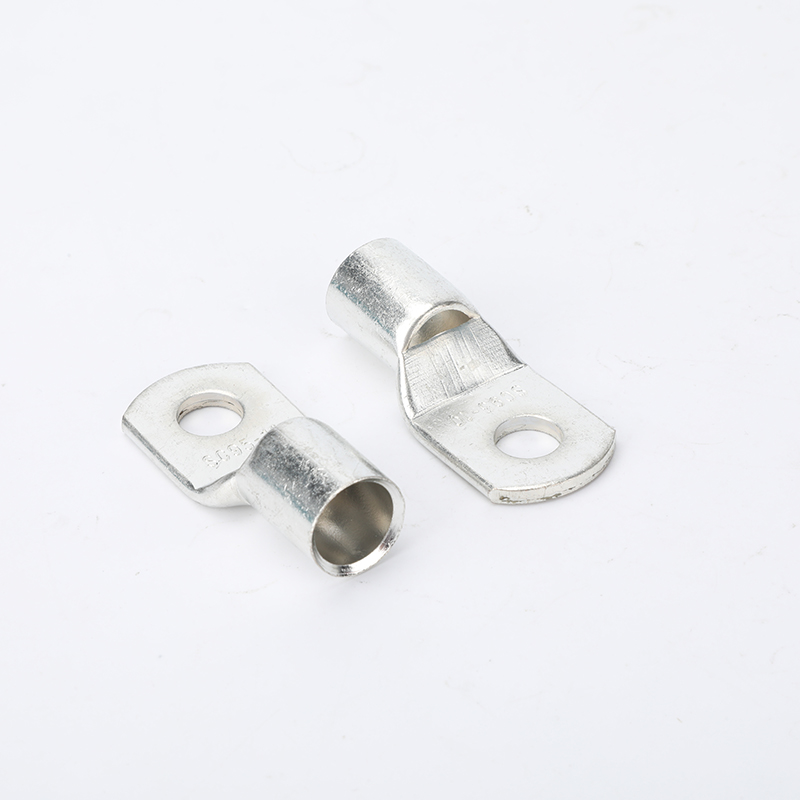
Electro-tin plating acts as a sacrificial, impermeable barrier that isolates the underlying pure copper substrate from ambient oxygen, chemical moisture, and atmospheric pollutants. This chemical defense is vital for maintaining a clean metal-to-metal interface over decades of outdoor operation.
Complete Oxidation Defense: Tin does not form a highly resistive oxide film when exposed to humid air, ensuring your terminal connection resistance stays consistently low.
Galvanic Corrosion Mitigation: Plating copper terminals eliminates the destructive galvanic reaction that occurs when bare copper comes into direct mechanical contact with aluminum or plated breaker terminals.
Sustained Clamping Torque Retention: The soft nature of the outer tin layer allows it to deform slightly under mechanical pressure, creating a gas-tight seal that locks out moisture and prevents bolts from loosening during thermal cycling.
A solar DC circuit breaker relies on precise internal thermal-magnetic mechanisms to detect subtle overcurrent conditions. If the external cable terminal generates localized heat due to poor conductivity, that external thermal energy bleeds directly into the breaker housing. This heat transfer warps the internal bimetallic strips prematurely, triggering nuisance trips that cut off power production and lower your total system yield.
Sourcing heavy-duty cable connectors manufactured from 99.9% seamless electrolytic tough pitch pure copper ensures that current flows with zero bottlenecking. The combination of high-purity copper and uniform electro-tin plating allows the breaker terminal blocks to stay cool even during peak solar irradiation hours, ensuring the safety mechanisms trip only during genuine electrical fault conditions.
To help your engineering and design teams choose the correct hardware, the technical specification matrix below compares the long-term performance of bare copper terminals against plated alternatives.
| Engineering Performance Metric | Standard Bare Copper Lugs | Tinned Copper Terminal Lugs (ENVI) |
| Material Composition | Standard commercial-grade copper | 99.9% Pure Electrolytic Tough Pitch Copper |
| Surface Coating Type | None (Unprotected raw metal) | Heavy-duty electro-tin plating barrier |
| Oxidation Resistance | Poor; forms green patina layer rapidly | Excellent; remains chemically stable in damp air |
| Galvanic Compatibility | Highly reactive with aluminum and zinc | Excellent compatibility across diverse metals |
| Long-Term Contact Resistance | Escalates over time due to corrosion | Stays permanently low and highly stable |
| Maximum System Lifespan | Frequent replacement required in damp zones | Engineered for 25+ years of continuous outdoor use |
Every milliohm of resistance across your commercial solar infrastructure acts as a silent profit killer. Squeezing hundreds of amperes of direct current through degraded or unplated cable joints causes a localized voltage drop. According to basic electrical power laws, this voltage drop converts your valuable generated electricity directly into wasted, ambient heat.
By integrating premium tinned copper connectors throughout your combiner boxes and inverter panels, you optimize the total energy transmission efficiency of your system. Maximizing conductivity ensures that every single watt harvested by the solar modules travels safely into the power grid, directly boosting the return on investment for your project developers and facility owners.
From a project management perspective, specifying heavy-duty, corrosion-resistant components yields massive long-term operational savings. Replacing a failed terminal connector inside a remote utility-scale solar farm requires mobilizing specialized technicians, causing expensive logistics overhead and prolonged system downtime.
By standardizing on high-purity tinned copper lugs, you eliminate the root cause of terminal overheating and contact degradation. Your operation and maintenance teams spend fewer hours performing manual re-torquing and routine thermal imaging scans on breaker blocks. Preventing joint failures protects your hardware assets from arc-over damages, eliminates warranty claim disputes, and preserves your reputation as a high-quality renewable energy system builder.
Why tinned copper terminal lugs are essential for solar DC circuit breakers?
Tinned copper terminal lugs provide absolute protection against oxidation and galvanic corrosion in harsh outdoor environments, maintaining low contact resistance and preventing dangerous terminal overheating inside solar DC circuit breakers.
What is the main difference between bare copper and tinned copper lugs?
Bare copper lugs oxidize rapidly when exposed to ambient moisture, creating a resistive layer, while tinned copper lugs feature an electro-tin barrier that keeps the contact surface clean and conductive over time.
How does terminal corrosion cause fire hazards in solar DC systems?
Corrosion drives up electrical resistance at the terminal block, causing intense localized heating that can melt insulation materials and ignite a sustained, non-extinguishing DC arc flash.
Can I connect tinned copper lugs to aluminum power cables?
Yes, the electro-tin plating acts as a chemically neutral buffer that stops the galvanic corrosion that normally occurs when raw copper touches aluminum conductors.
What grade of copper does ENVI use for its heavy-duty solar terminals?
ENVI manufactures its premium solar terminal connectors from 99.9% seamless electrolytic tough pitch pure copper to guarantee maximum electrical and thermal transmission efficiency.
Why do unplated lugs cause solar breakers to trip prematurely?
Unplated lugs create high contact resistance, generating localized heat that warms the breaker’s internal thermal strips, leading to annoying nuisance trips during peak solar production hours.
Are tinned copper connectors suitable for high-salinity coastal solar farms?
Yes, heavy-duty tin plating provides exceptional resistance against salt spray and coastal moisture, making it mandatory for marine and offshore solar installations.
What crimping profile is recommended for heavy-duty solar cable lugs?
A standard industrial hexagonal or indent compression crimp is recommended to compress the stranded cable into a dense, completely gas-tight mechanical joint.
Do tinned copper lugs require special anti-corrosion grease during installation?
While the tin plating provides comprehensive built-in protection, applying an approved electrical joint compound can offer extra defense in extremely corrosive chemical environments.
How long do tinned copper terminal connectors last in utility-scale arrays?
When properly matched with correct wire gauges and torque specifications, premium tinned copper lugs are engineered to match or exceed the 25-year operational lifespan of commercial solar panels.
Protecting high-voltage solar assets demands rugged, uncompromising hardware engineered for brutal outdoor environments. ENVI supplies premier, certified tinned copper connectivity solutions designed to maximize the electrical safety and distribution efficiency of your solar DC networks. Explore our complete catalog of industrial-grade electrical components at Our Web today. Contact our technical engineering division now to request a detailed product catalog and secure a competitive bulk price quotation for your next clean energy installation.

With extensive experience, excellent craftsmanship, and superior customer service, we meet various technical requirements to satisfy our customers and have gained widespread